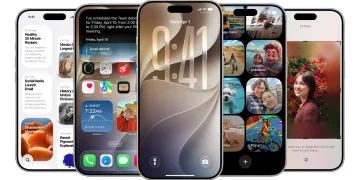







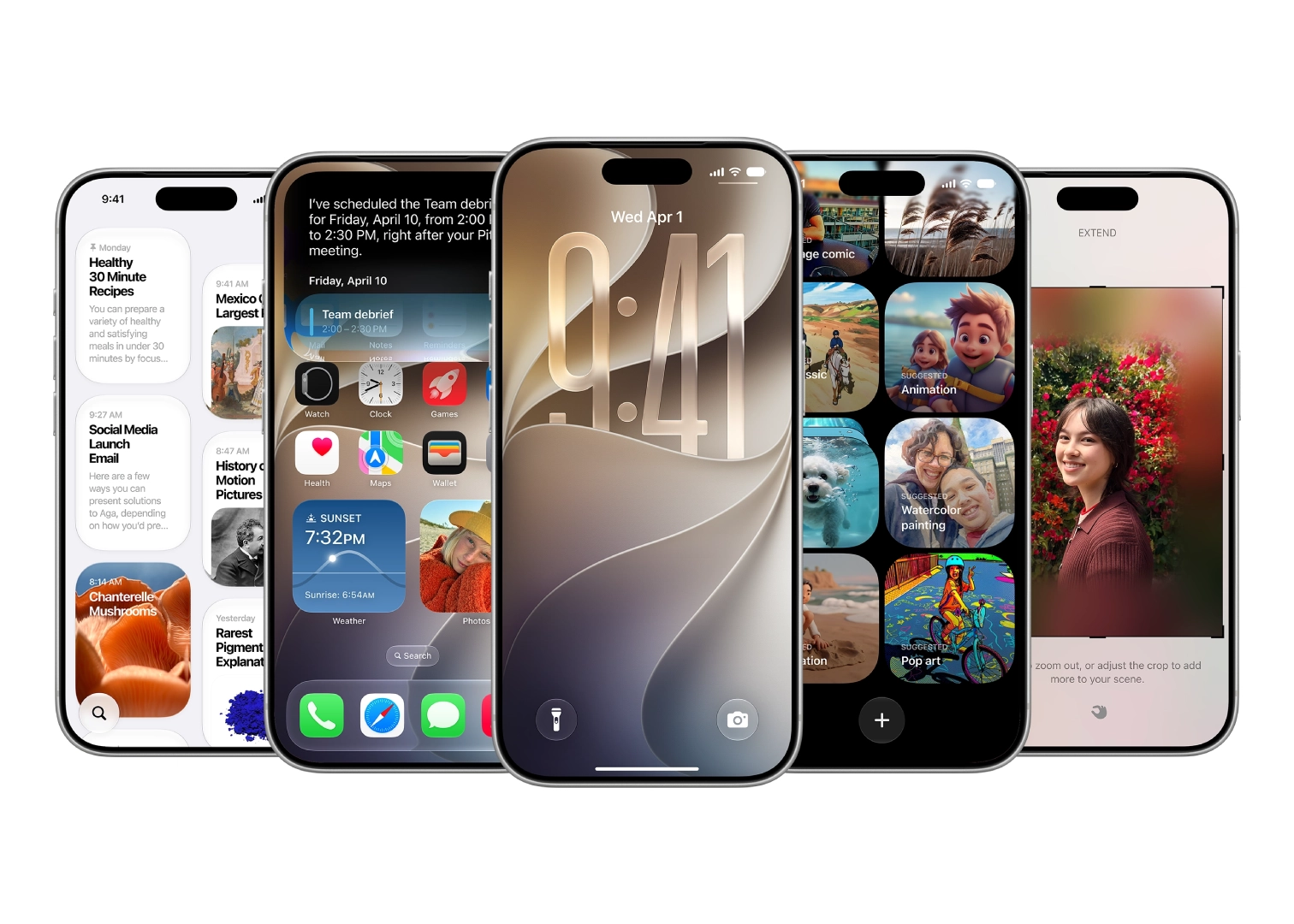
Apple kicked off Worldwide Developers Conference (WWDC) 2026 with iOS 27, its next major iOS update.
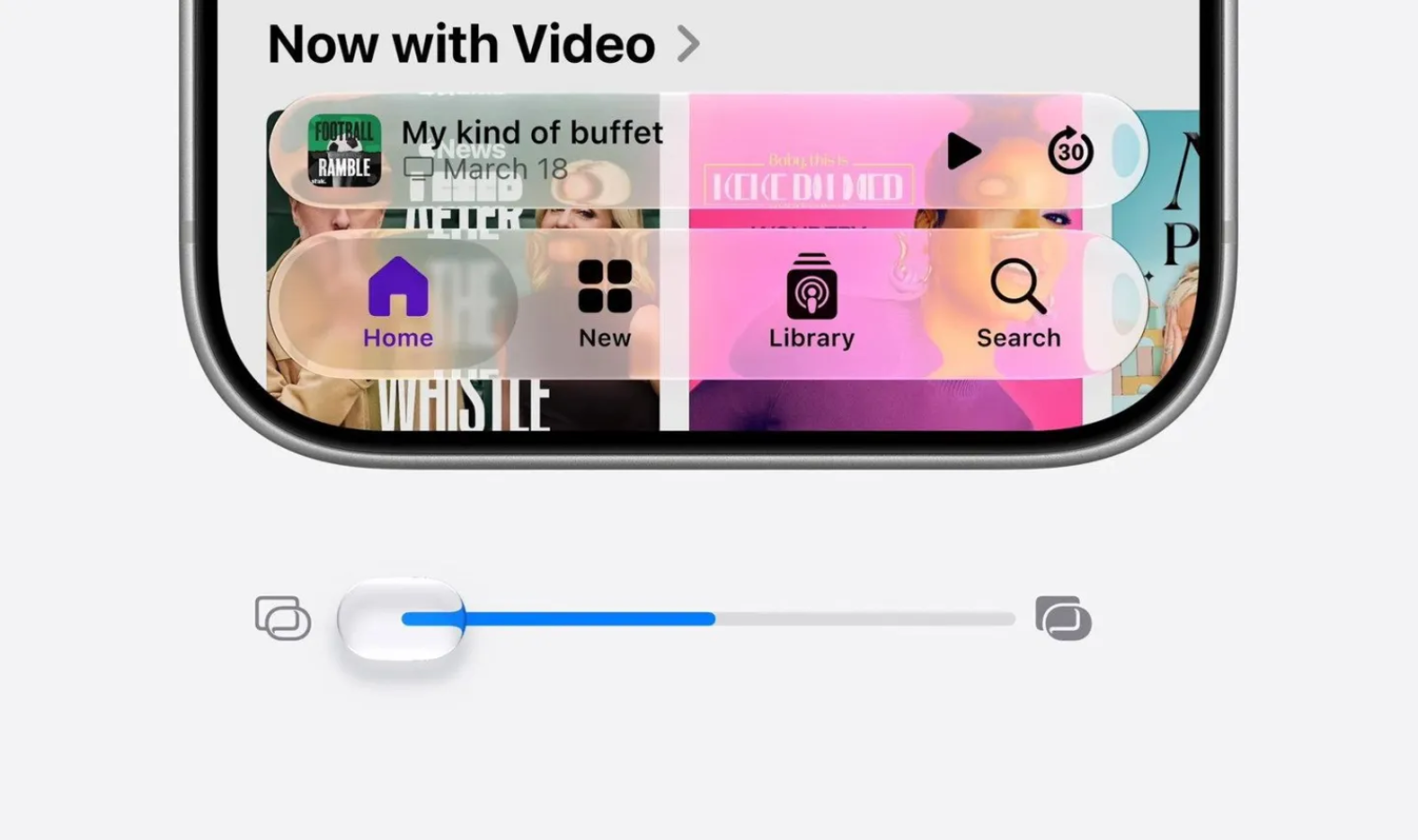
The most visible change is a new opacity slider for Liquid Glass, the glassy design language Apple rolled out with iOS 26.
That release had legibility problems from day one, and while Apple patched some of it before the public launch, the slider in iOS 27 finally gives users direct control over how transparent elements like tab bars appear, making it a pragmatic fix.
Performance is also a headline this time as Apple claims apps launch 30% faster, AirDrop transfers are 80% faster, and older iPhones get a smoother feel thanks to a CPU scheduler improvement.
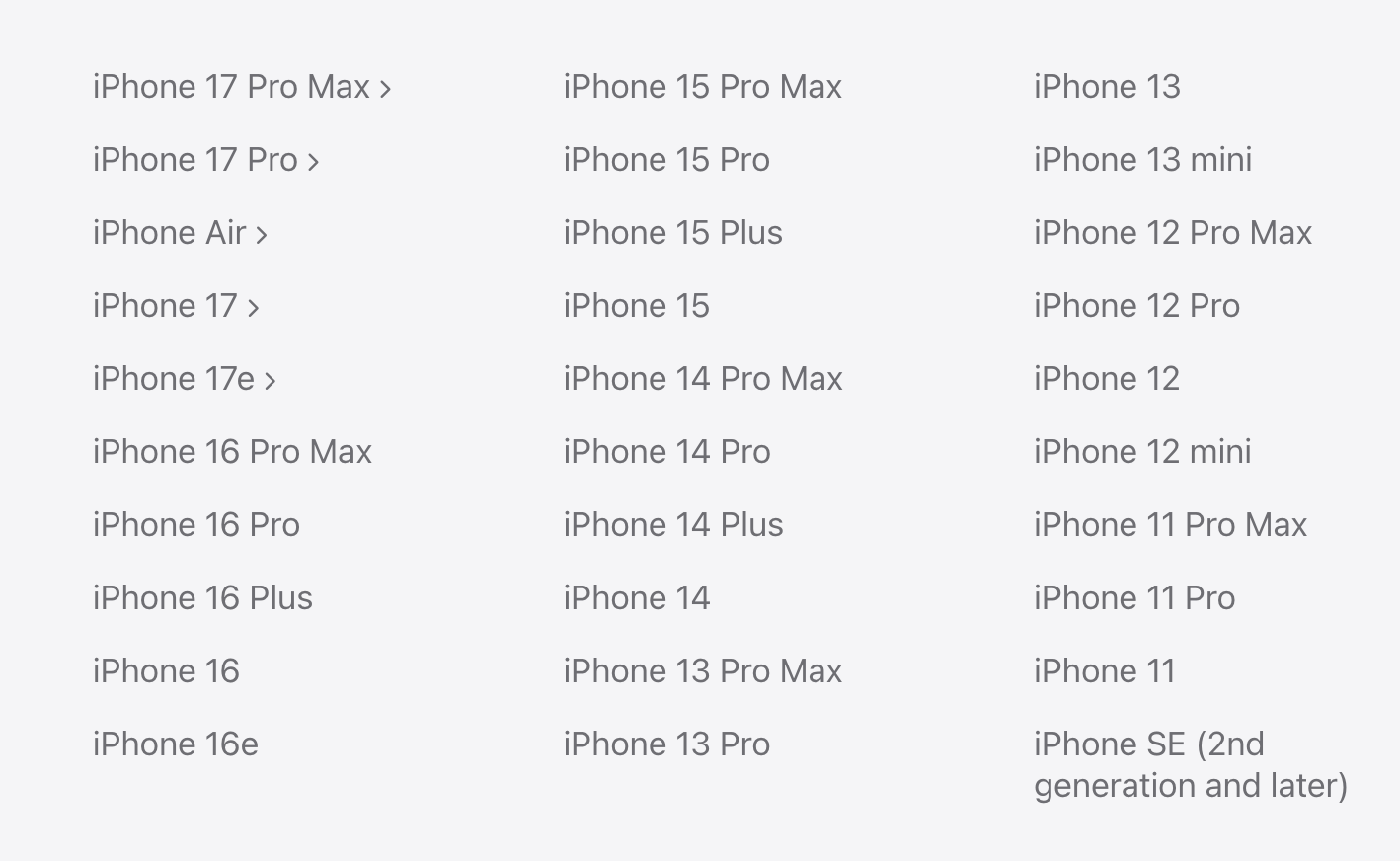
The update supports devices going back to the iPhone 11 and iPhone SE 2nd generation, which is a reasonably long tail.
Search has been rebuilt from scratch with a new index that improves Spotlight across the whole system, and Mail gets a smarter ranking system for finding things you’re actually looking for.
The biggest swing is “Siri AI,” a redesigned Siri that Apple describes as more conversational. Responses now appear from the Dynamic Island, there’s a dedicated Siri app that saves conversation history and syncs via iCloud, and you can adjust the voice’s pace and delivery.
The camera app also gets a Siri mode that can identify objects and log those interactions. The catch is that it launches as a beta later this year, English only, and won’t be available in the EU. That is definitely a big deal given how many users Apple has there.
Apple Intelligence is also getting threaded into more apps. Safari can group related tabs together automatically and lets you set page-specific notifications through a “Notify Me” feature.
The Phone app gains “Call Context,” which surfaces relevant information during a call, like a flight confirmation number. Passwords can automatically update credentials with a tap. The Photos Clean Up tool is getting expanded, and you can now reframe images using generative AI.
This is Apple’s third major attempt at delivering the AI features it first announced at WWDC 2024. That original Siri upgrade was delayed in March 2025 because it was taking longer than expected, Apple later settled a lawsuit related to those undelivered features and then announced it would use Google’s Gemini for a core part of the upgrade.
The company is clearly still catching up to Google, OpenAI, and Anthropic on this front.
There’s also something bigger hiding in the background. Developers digging into the iOS 27 beta found code referencing “foldState,” “mechanicalAngleDegrees,” and “angleDegrees,” which are clear indicators that Apple is building in support for a foldable device.
iOS 27 also brings full-page widgets to the iPhone, a format that would work particularly well on a larger, foldable screen. Apple has separately updated iPhone Mirroring on Mac to allow iPad-sized display layouts.
A foldable iPhone is expected to launch in September alongside the iPhone 18 Pro lineup at a starting price around $2,000.
The rest of the update rounds things out: iCloud Shared Albums now works with Android and Windows, Apple Maps gets an upgraded Flyover mode, AirPods gain custom EQ settings, and Health adds more advanced cycle tracking.
iOS 27 seems like a release where Apple is fixing things it should have fixed sooner while laying the groundwork for bigger hardware changes coming later this year.