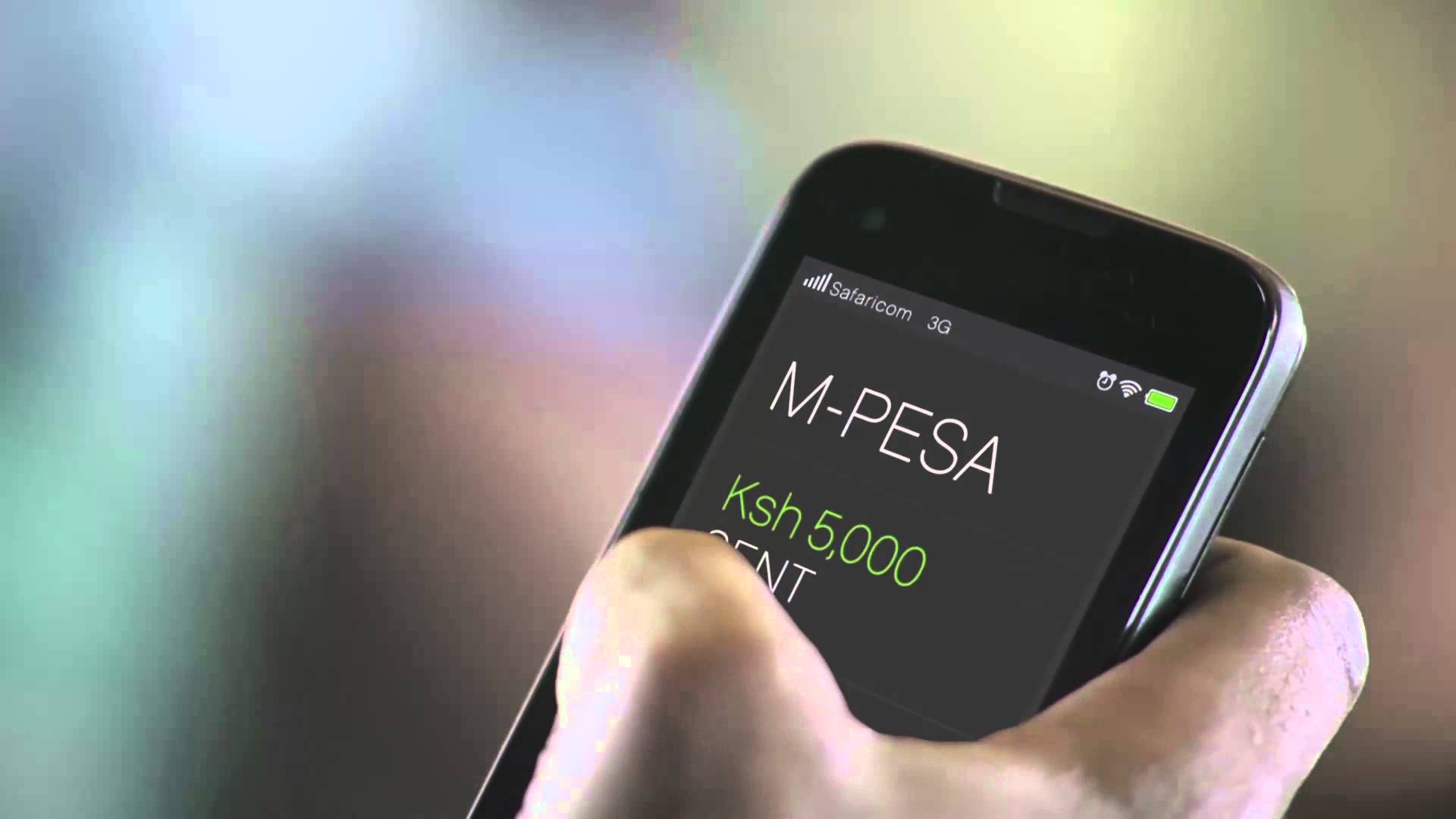





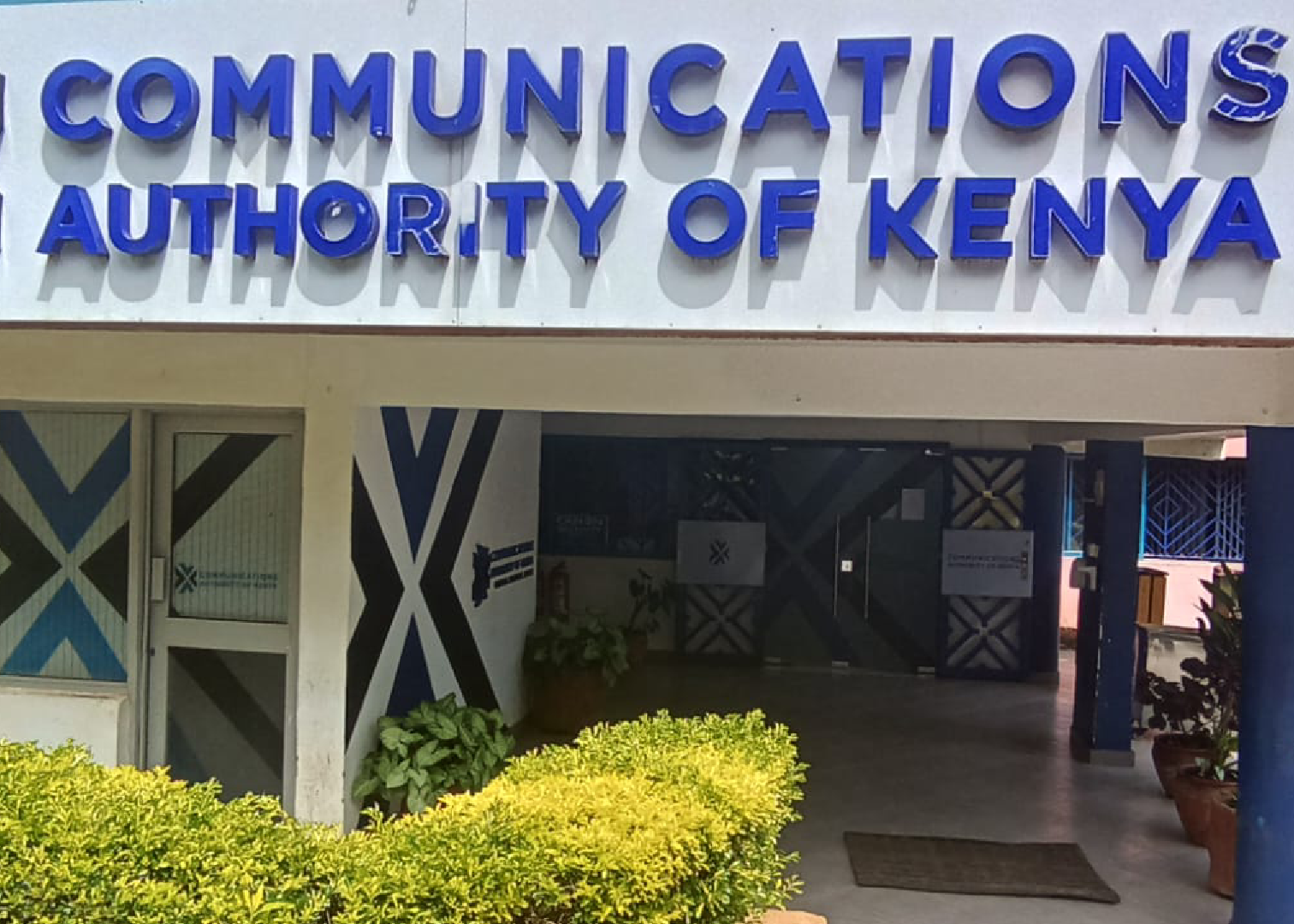
The Communications Authority of Kenya (CA) has rolled out a new framework governing how telecommunications numbering, naming, addressing, and identification resources are administered in the country, marking a shift in how short codes get assigned across the industry.
Under the old system, short codes were tied to specific operators, so a business running an SMS or USSD service typically had to route its allocation through whichever network it worked with.
The new framework flips that, allocating codes based on the service they support rather than the carrier delivering them.
Take a bank that sends SMS transaction alerts, for example. Previously, the bank needed separate codes for Safaricom, Airtel, and Telkom customers because each operator controlled its own numbering blocks.
This meant a Safaricom customer could receive an alert from one number, while an Airtel customer using the same service would receive it from a different number.
READ: Kenya Plans to Deactivate Mobile Numbers After 3 Months of No Use
Under the new model, that alert service could instead be allocated a single code that the bank uses consistently across all three networks, with the code following the function rather than the carrier.
The same logic applies to a national fundraiser or a televised voting line, where campaigns previously juggled separate codes per network can now be built around one, cutting the confusion of advertising multiple numbers for what is really one service.
The second major change concerns content service providers, the companies delivering SMS, USSD, or voice services on behalf of banks, schools, and broadcasters.
These providers can now apply directly to the CA for short codes, including bulk allocations they later distribute to their customers, removing the extra step of negotiating individually with each mobile network.
READ: Airtel Kenya Seeks Key Licenses to Challenge Safaricom and Telkom
The CA was clear that the changes apply going forward. Numbers and short codes already assigned under the old framework keep working until their existing licenses or contracts expire, so current users won’t see any disruption soon.
For ordinary phone users, the immediate impact is minimal. The impact will be felt more behind the scenes as telecom operators will need to adjust how they manage numbering resources internally.
Content service providers no longer have to go through a network operator to get a code; they can deal with the CA directly.
That alone changes the calculus for companies whose business runs on SMS or USSD, since a startup building a new service can now apply straight to the regulator instead of negotiating separately with Safaricom, Airtel, or Telkom before it even launches.
READ: How CA Proposes to Fix Kenya’s Mobile Number Shortage
The bigger shift shows up once a service is live and being used across networks.
A customer notification service, for instance, could carry the same short code whether the person receiving it is on Safaricom or Airtel, instead of the patchwork of different numbers that used to come with operator-specific allocation.
Anyone looking to apply for a code or figure out fees and compliance requirements can find the full framework on the Authority’s website.
Service providers looking to apply for new codes or understand how existing ones will be affected once contracts lapse will need to consult that document directly, since the notice itself only outlines the headline changes.