




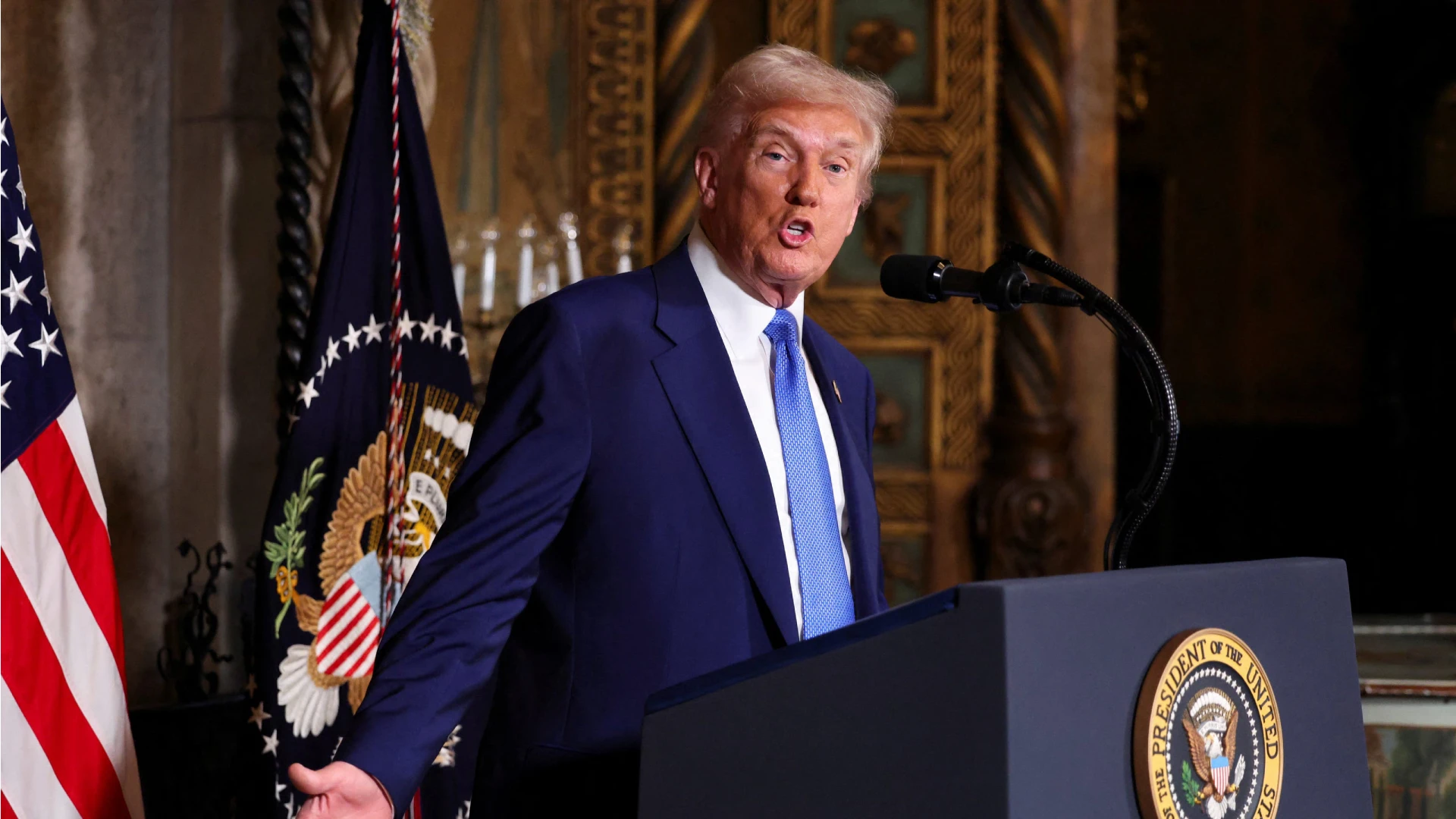
President Donald Trump is picking a fight with countries that tax American tech giants, and he’s not mincing words about it. In a heated social media post this week, Trump put the world on notice that any nation imposing what he considers discriminatory digital taxes or regulations on US technology companies will face serious economic consequences.
The president’s threat is simple: remove these policies or face hefty tariffs on exports to America, plus restrictions on access to US technology and computer chips.
Trump argues that digital services taxes and tech regulations specifically target American companies while giving Chinese tech firms a free pass, calling this arrangement outrageous and demanding it stop immediately.
Several major economies have already implemented or considered digital services taxes that primarily affect US tech giants like Google, Facebook, Amazon, and Apple.
The UK currently charges a 2 percent tax on tech companies with global revenues exceeding roughly $600 million, applied to UK-derived revenues above about $30 million. France, Italy, and Spain have similar measures in place.
The European Union has also drawn Trump’s ire with its Digital Services Act, which forces large tech platforms to more aggressively monitor and police content on their services.
American officials view these requirements as burdensome regulations specifically designed to cripple US companies while European competitors face lighter oversight.
Read: Trump Exempts Smartphones and Computers From New Tariffs
Trump’s aggressive stance has already yielded results. Canada was set to launch its digital services tax targeting US tech firms but abruptly canceled the plan just hours before implementation after Trump suspended trade negotiations over the issue.
Canadian Prime Minister Mark Carney quickly agreed to scrap the tax to get talks back on track.
The UK managed to keep its digital tax in place during recent trade negotiations, but officials reportedly considered modifications to appease American concerns before ultimately reaching a deal without changes.
However, the UK did agree to drop requirements for Apple to provide encrypted data backdoors after facing industry pushback.
This digital tax dispute is a reflection of broader tension in international trade. Many countries argue they deserve tax revenue from tech companies that generate substantial profits within their borders, even if those companies are headquartered elsewhere.
The US counters that these policies unfairly single out American firms and amount to protectionist measures disguised as tax policy.
Trump’s February executive order already set the stage for this confrontation, directing trade officials to investigate digital services taxes and prepare retaliatory measures.
The latest threat escalates that approach, making clear that the administration views digital taxation as a direct attack on American economic interests worthy of aggressive response.
Both the UK and EU have recently struck new trade agreements with Washington, but Trump’s latest warning suggests those deals could be jeopardized if digital tax policies remain unchanged.