








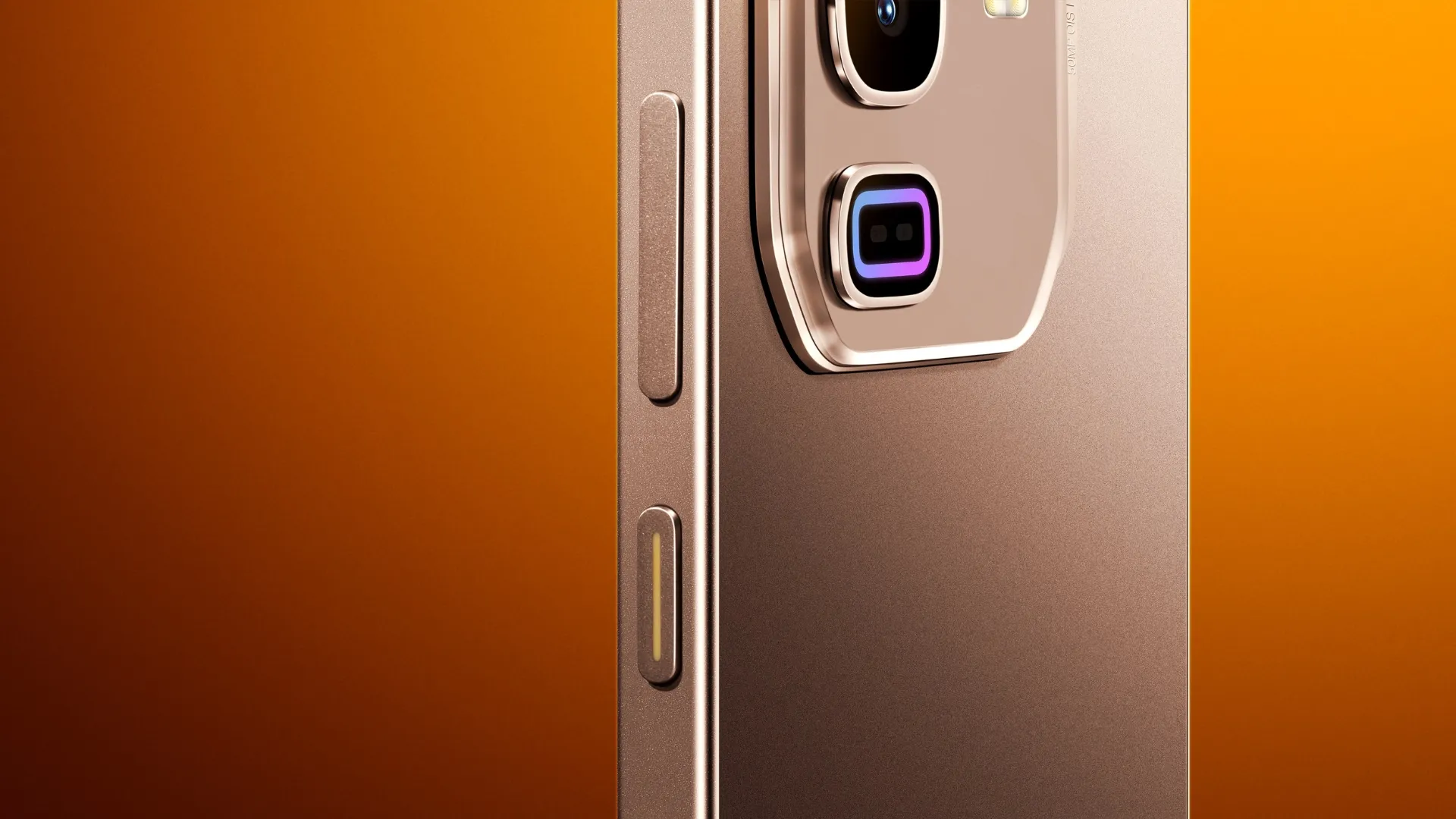
When it comes to smartphone health monitoring, the Infinix Note 50 Pro takes an unusual approach by embedding what it calls a Bio-Active Halo sensor, directly into its rear camera module.
Instead of relying on a separate smartwatch or fitness tracker, users can now measure and track their heart rate and blood oxygen levels using a sensor built into the phone itself.
The sensor sits within the phone’s octagonal camera housing and can track two key health metrics: heart rate and SpO2, which measures the percentage of oxygen-carrying hemoglobin in your blood.
Both measurements are particularly valuable during exercise or for people managing respiratory conditions, as they can signal potential health problems before they become serious.
Using the sensor requires placing your finger firmly on the back panel sensor and holding it steady while the device takes readings. The measurement process tracks both your current heart rate and blood oxygen saturation levels in real-time.
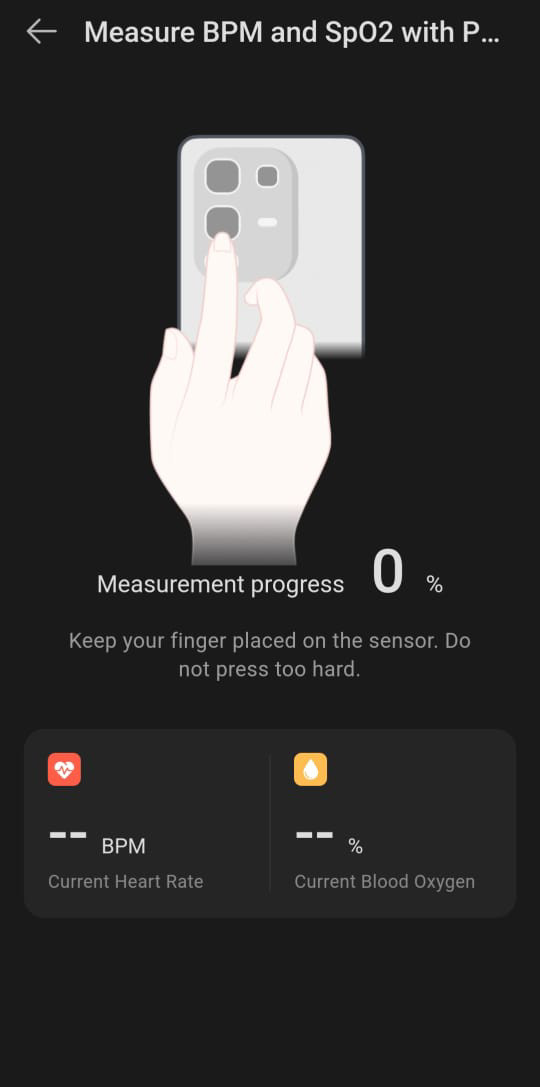
Testing revealed the sensor delivers accuracy comparable to dedicated fitness devices. When measured against a Garmin smartwatch, the Infinix sensor produced consistently reliable results, suggesting the technology can serve as a legitimate health monitoring tool rather than just a marketing gimmick.
READ: Infinix Note 50 Pro Review: A Budget Phone Shouldn’t Be This Good
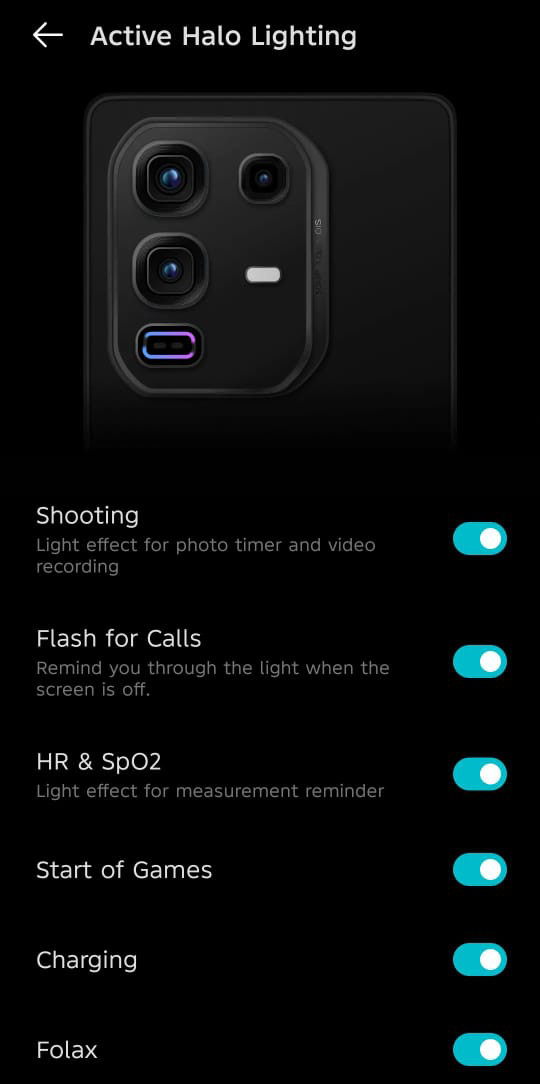
Beyond health tracking, the Bio-Active Halo serves multiple notification functions through customizable light effects. The sensor doubles as a visual indicator for camera operations, displaying lights during photo timers and video recording.
It also provides charging status updates and can flash to alert users of incoming calls and messages.
What I found most impressive is how the system offers granular control over these light-based notifications. Users can toggle effects for app notifications, missed calls, photo timers, video recording, incoming calls when the screen is off, game launches, charging status, and even while using Folax AI.
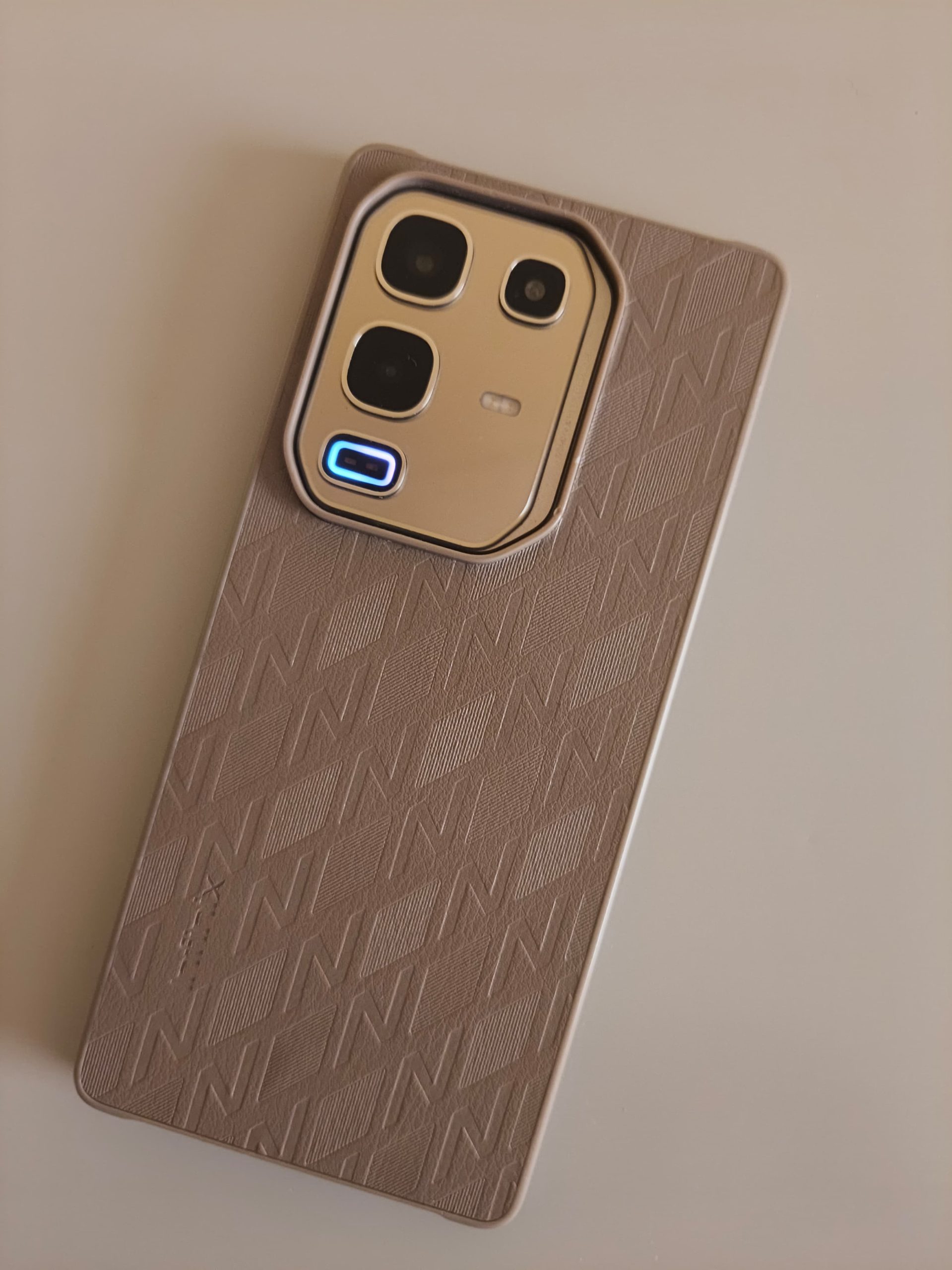
This dual-purpose design addresses two smartphone limitations: the lack of built-in health sensors and the difficulty of noticing alerts when phones are face-down. Infinix has created a feature that serves practical purposes beyond novelty appeal.
The best part is that the camera module keeps the sensor accessible while maintaining the phone’s overall design integrity. Rather than adding bulk or creating awkward sensor placement, the Bio-Active Halo becomes part of the phone’s existing camera array.