




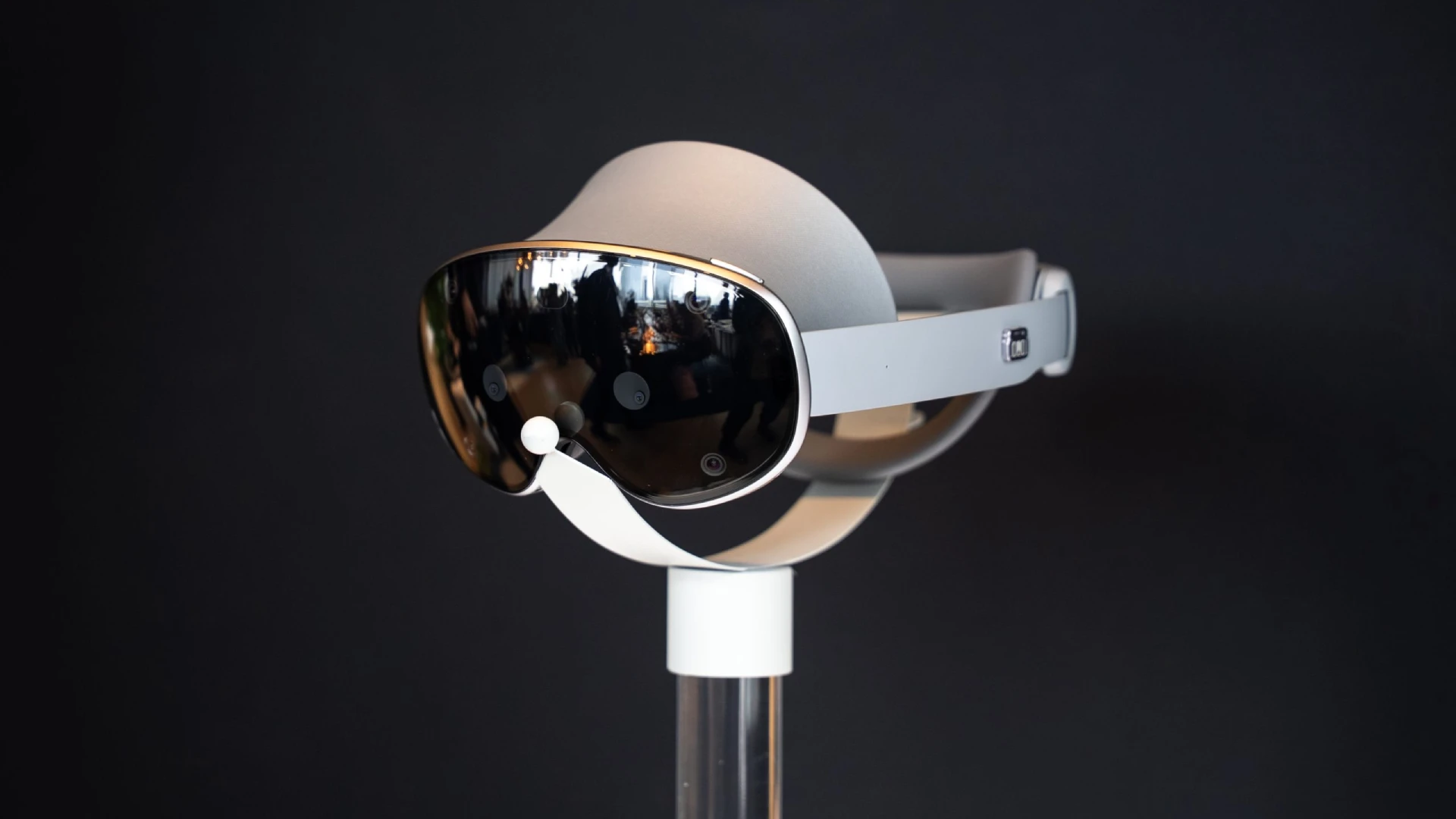
After months of teasers under the codename Project Moohan, Samsung finally pulled back the curtain on the Galaxy XR headset at a live event yesterday. And the biggest question everyone had – how much does this thing actually cost? – has been answered: $1,800 (~KES 233,000).
That’s a lot of money, but in the world of premium headsets, it’s actually positioned as the middle child. It’s $300 more than Meta’s ill-fated Quest Pro from 2022, which caused outrage at its $1,500 price tag.
But it’s also nearly half the cost of Apple‘s latest Vision Pro with the M5 chip, which still demands $3,500 from your wallet. Some rumors had pegged Samsung’s entry at $3,000, so $1,800 almost feels like a relief.
The headset is available right now through Samsung’s website and retail stores, with financing options if you don’t want to drop over KES 200K in one go.
What You’re Actually Getting
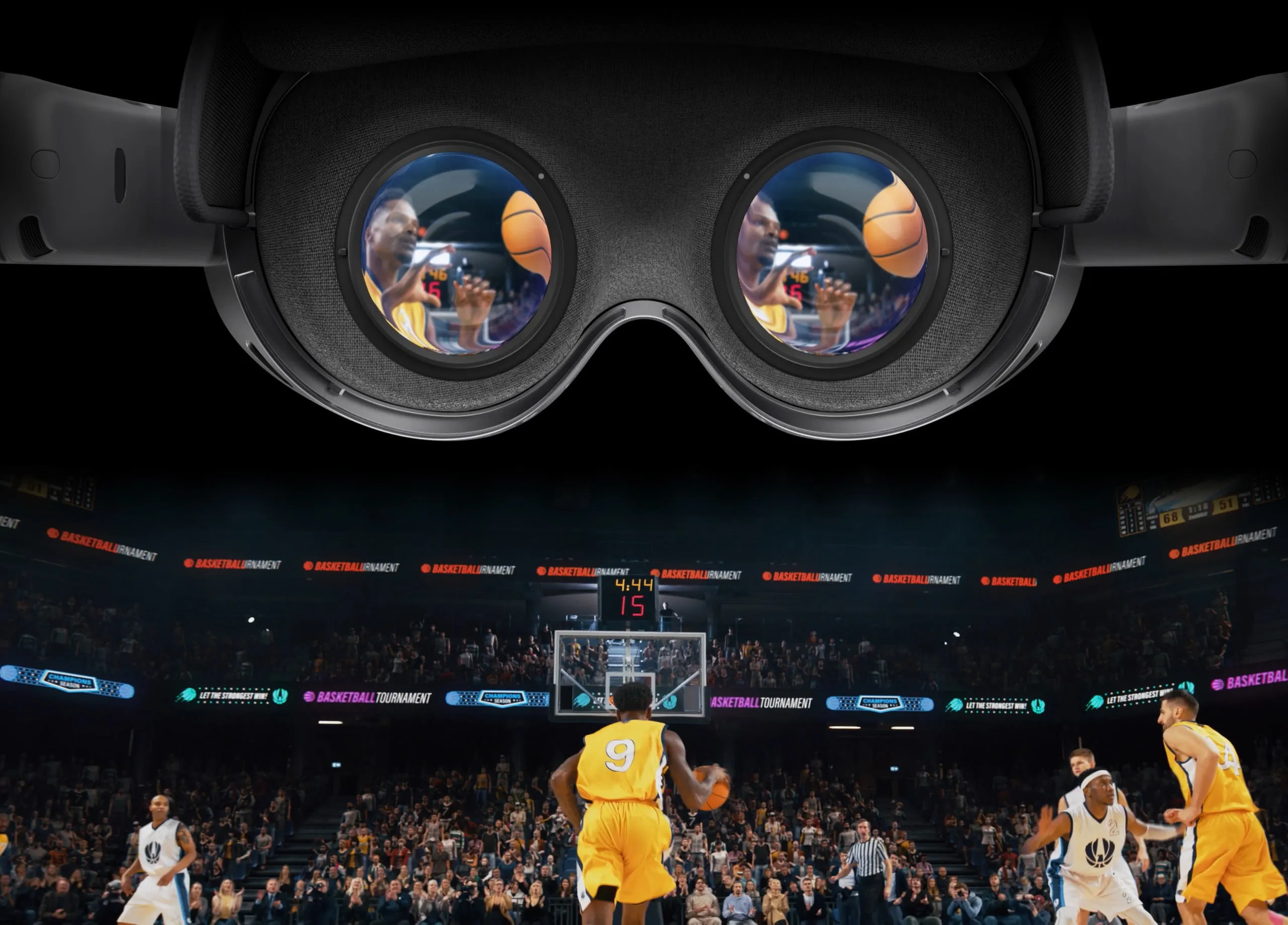
When it comes to display, the Samsung Galaxy XR packs dual micro-OLED screens with a resolution of 3,552 x 3,840 pixels per eye, which puts it right alongside the Vision Pro’s 3,660 x 3,200 resolution.
The refresh rate maxes out at 90Hz with a 72Hz default, compared to the Vision Pro’s 120Hz maximum. The original Vision Pro topped out at 100Hz, so Samsung is in the ballpark but not quite matching Apple’s latest hardware.
The field of view is 109 degrees horizontal and 100 degrees vertical, and the display produces 29 million pixels total. It can handle UHD 8K video at 60 fps and supports HDR10 and Dolby Atmos.
Inside, there’s 16GB of RAM, 256GB of storage, and Qualcomm’s Snapdragon XR2+ Gen 2 chip powering everything.
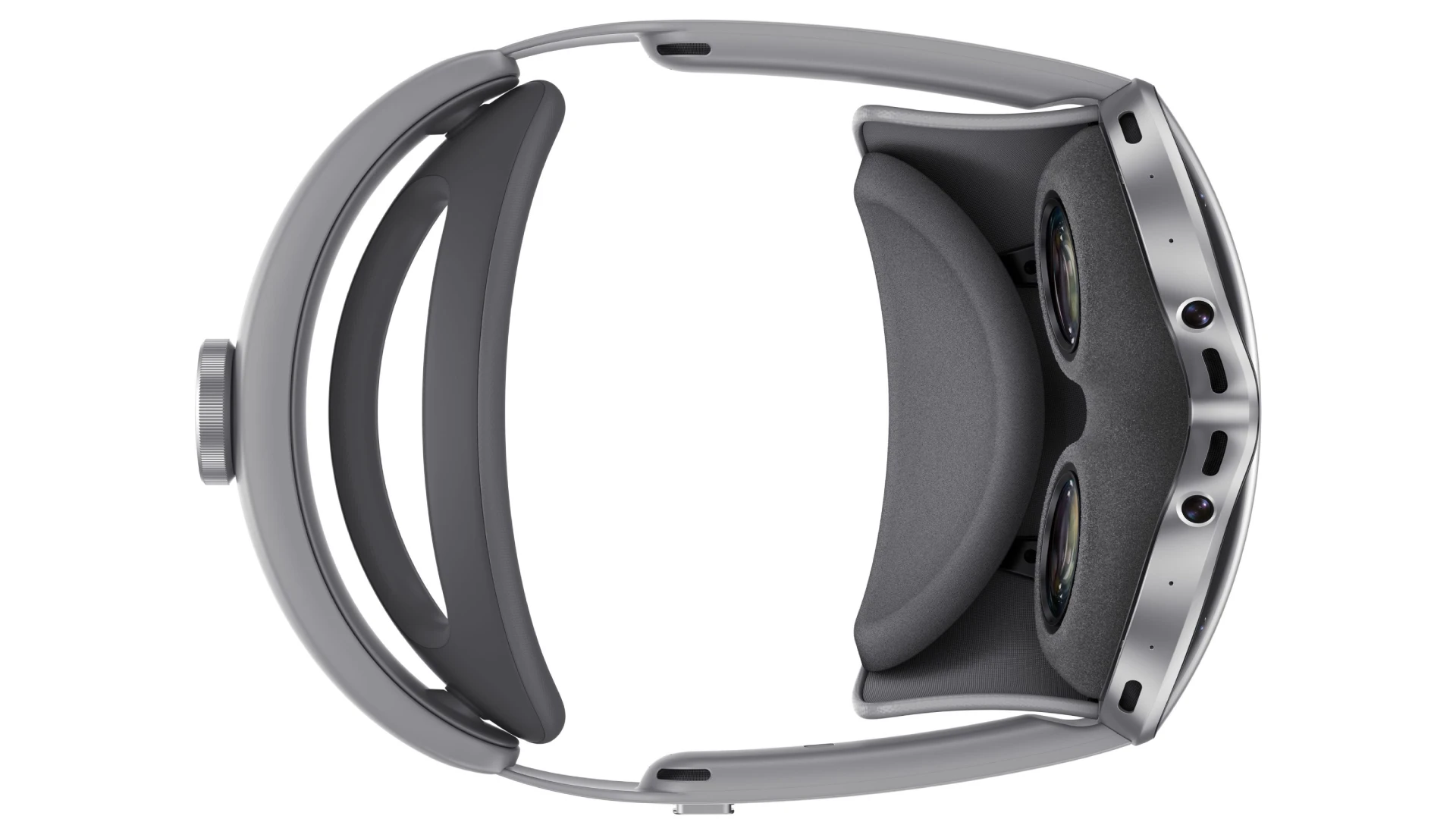
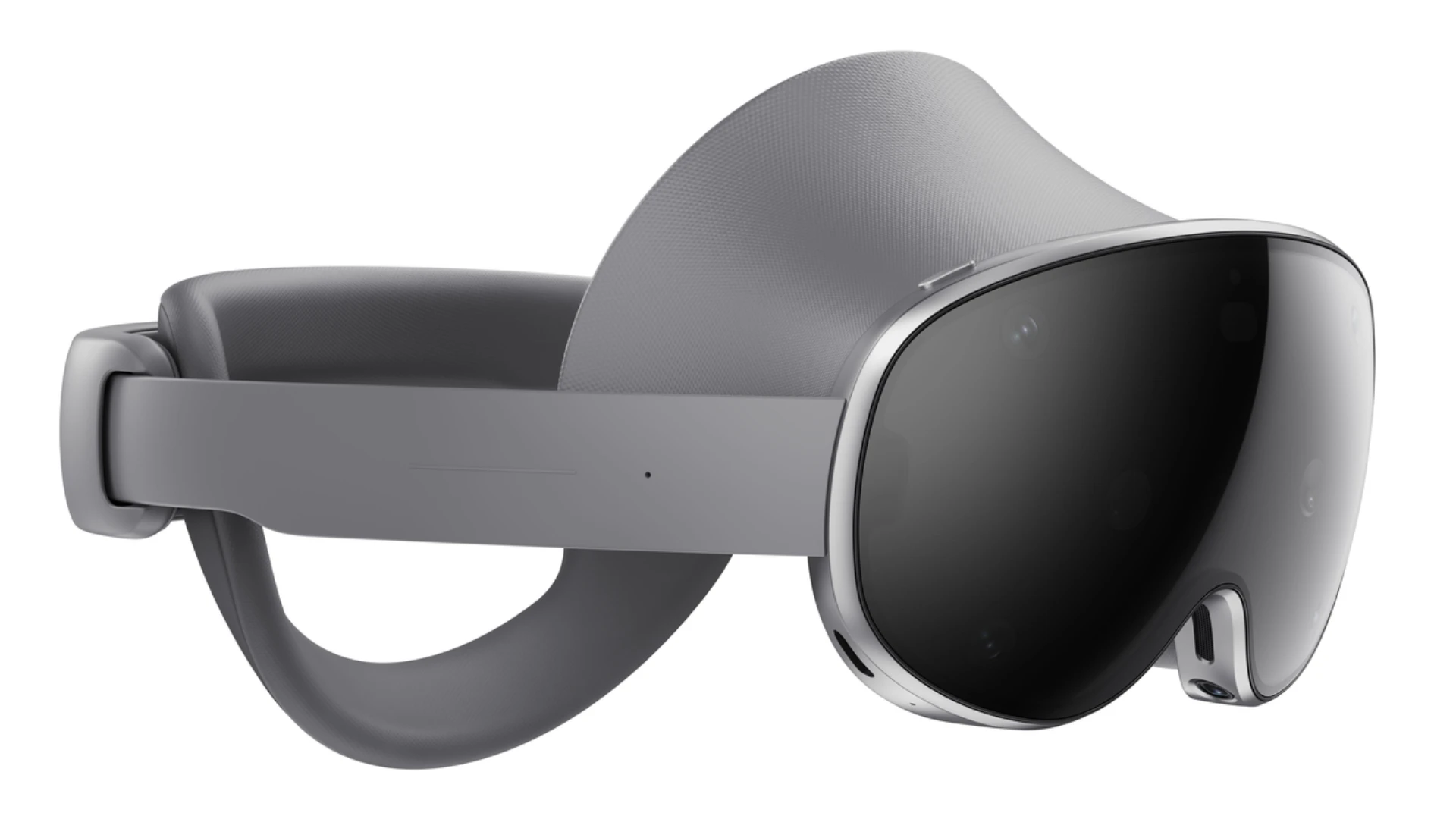
Where Samsung might have an edge is weight. The Galaxy XR comes in at 545g, while the latest Vision Pro sits between 750g and 800g. That’s a noticeable difference, though comfort also depends on how that weight is distributed across your face.
Both headsets use external battery packs to keep the weight off your head, and both offer similar battery life. Samsung promises 2 hours of general use and 2.5 hours for video, while Apple claims 2.5 and 3 hours, respectively.
How It Works
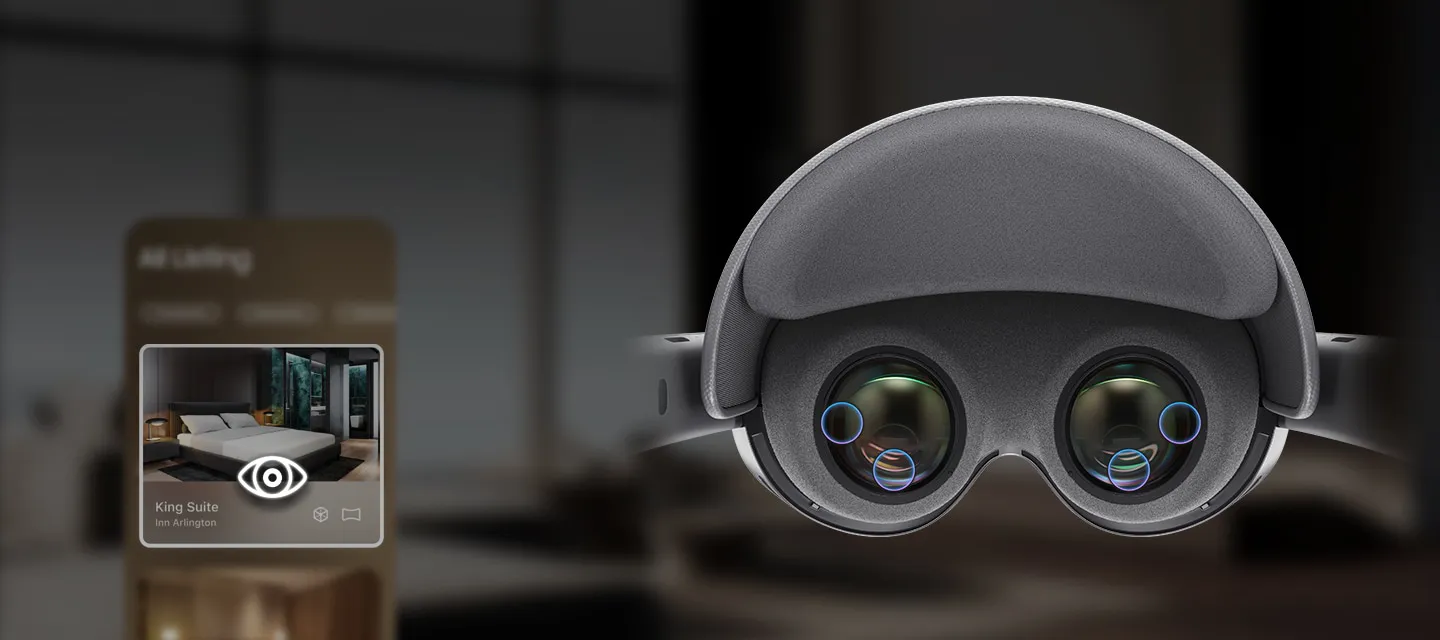
Like the Vision Pro, the Galaxy XR is built around hand and eye tracking. There are six outward-facing cameras for motion tracking, four inward-facing cameras for eye tracking, two high-resolution passthrough cameras, and depth sensors.
The headset tracks both hands simultaneously, letting you pinch, grab, and manipulate virtual objects without a controller. If you prefer a more traditional setup, Samsung will sell you controllers. For $250. Which brings your total to over $2,000.
The Galaxy XR runs on Android XR, developed in partnership with Google and Qualcomm. Samsung’s Won-Joon Choi called it a brand-new ecosystem of mobile devices that expands mobile AI into immersive territory.
The headset leans heavily on Google’s Gemini AI, which can identify objects, search for locations, and even convert 2D photos and YouTube videos into spatial 3D content. Google’s Circle to Search feature works here too, letting you identify things in the real world around you.
Google services like Photos, YouTube, and Google Maps are optimized for XR. The Maps integration is particularly interesting, though. Google’s been developing Immersive View, which could be genuinely compelling in a headset, even if the idea of strapping on a device to use Maps sounds absurd at first.
Samsung is also pitching Gemini as a gaming coach and general assistant, though the real test will be how well these AI features work in practice versus on paper.
Is This Actually Worth It?
We can’t say for certain since we’ve not tested it out, but the Galaxy XR basically offers a Vision Pro-like experience at roughly half the price. That’s the pitch, anyway. On paper, the specs are competitive, the weight is lighter, and you’re saving $1,700 compared to Apple’s offering.
The catch is that headsets are still more toy than tool for most people. At $1,800, you’re making a serious bet on this technology being useful enough to justify the cost.
Samsung is sweetening the deal for early adopters with the Explorer Pack for 2025 purchases, which includes a year of Google AI Pro, YouTube Premium, and specialized XR content.
Samsung also hinted that this is just the beginning, with plans for more XR devices, including glasses, down the line.
The Galaxy XR is available now at Samsung’s online store for $1800. Whether that’s a reasonable price depends entirely on whether you think VR and AR are ready for prime time or if you’re willing to be an early adopter betting on where this technology is headed.