







Kenya is not facing a fuel crisis, at least not yet, and will not face one in the near future if all scheduled fuel delivery makes it as planned.
Kenya’s National Treasury revealed that stocks remain sufficient for the short term despite the ongoing Middle East conflict. The country has Super Petrol stock that is expected to cover 16 days, Diesel 19 days, and Jet Fuel a robust 49 days.
| Product | Available Stock (Metric Tons) | Days of Cover | Monthly Demand (Metric Tons) |
| Super | 138,623 | 16 | 255,000 |
| Diesel | 207,841 | 19 | 170,000 |
| Jet Fuel | 150,398 | 49 | 80,000 |
These stockpiles provide a buffer, though there is vulnerability in road fuels as super petrol and diesel stocks can’t see the nation through a whole month.
For aviation, the country has surplus stock relative to a single month’s demand, with Jet Fuel nearly reaching a two-month supply.
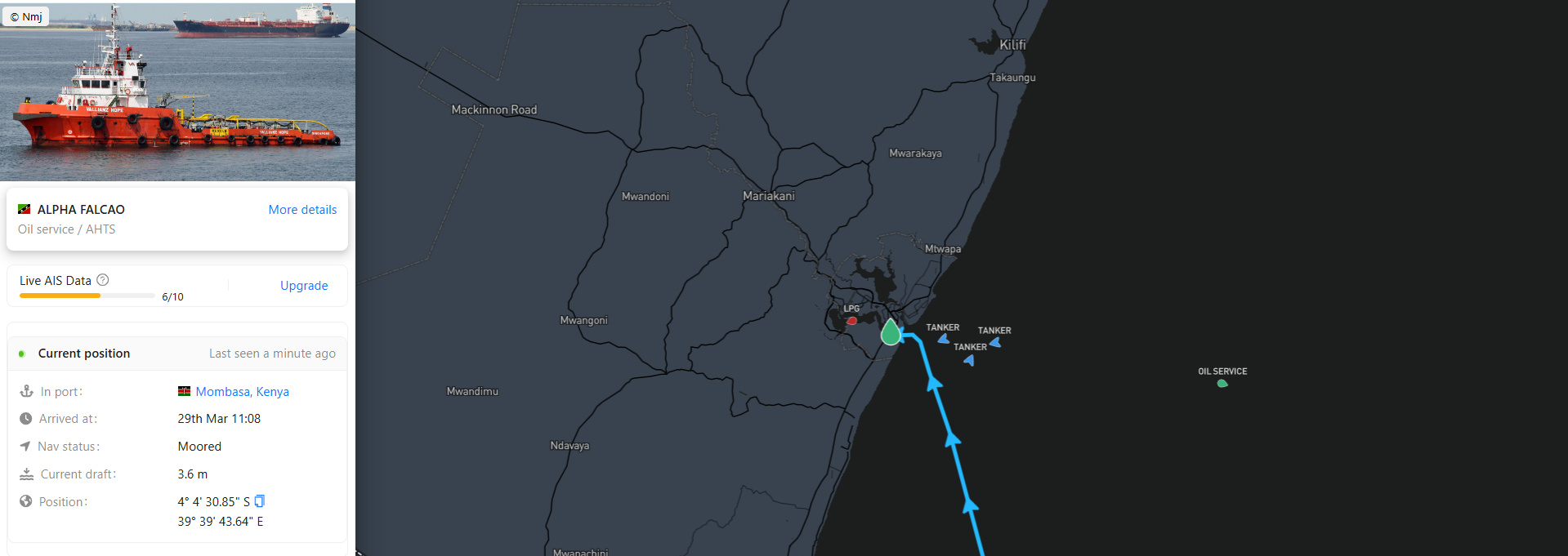
Currently, fuel cargo is destined to arrive at the Mombasa port; however, the government cannot give assurance if they arrive on schedule.
| Product | Expected Cargo (MT), Apr | Projected Days of Cover |
| Super | 290,000 | 47 |
| Diesel | 182,900 | 20 |
| Jet Fuel | 60,000 | 25 |
“These cargoes are critical, but emerging deterioration of sovereign risk and re-tightening global markets make timely delivery uncertain,” Treasury Cabinet Secretary John Mbadi stated while addressing the global fuel crisis in a briefing.
The projected 290,000 MT of super petrol alone promises 47 days of cover, easing immediate pressures.
Loss of Tax Revenue
Potential shipment delays pose a risk to the Kenyan economy and could slash billions in tax revenue collected.
“Preliminary analysis shows developments in the Middle East could occasion about KES 60 billion worth of lost revenue in 2025/26, subject to the war’s duration,” Mbadi emphasized while flagging economic headwinds.
READ: Dangote Refinery Secures $4 Billion Loan Backed by Afreximbank
He pinpointed petroleum imports, which generate KES 30 billion monthly in taxes and levies, now slowing due to delays, alongside KES 273 billion annually at risk from broader Middle East imports.
Kenya’s economy is also facing the risk of a slow growth rate if there are import disruptions.
Africa’s Fuel Crisis Effects
In the region, the fuel crisis is already being felt, with governments reacting.
Ethiopia hiked fuel prices up to 26% since February, with Minister Kassahun Gofe admitting a “neck-and-neck battle with corruption” where five firms control 80-85% of distribution.
Tanzania slapped a 50 shillings per liter hike on motorists amid Iran-US-Israel strife, while South Africa slashed its fuel levy by 23 shillings per liter for a month.
Zambia moved fastest, approving zero-rating VAT and a three-month excise suspension. Kenya, per CS Mbadi, is “thinking along the same lines,” hinting at similar relief to shield consumers and stabilize supplies.
Uganda reports stronger short-term buffers in relation to its consumption levels, with reserves projected to last to April’s end.
| Product | Kenya Stock (MT) | Kenya Stock (Days Cover) | Uganda Stock (MT) | Uganda Stock (Days Cover) |
| Petrol | 138,623 | 16 (Super) | 60,345 | 22 |
| Diesel | 207,841 | 19 | 67,200 | 23 |
| Jet A-1 | 150,398 | 49 | 14,800 | 30 |