




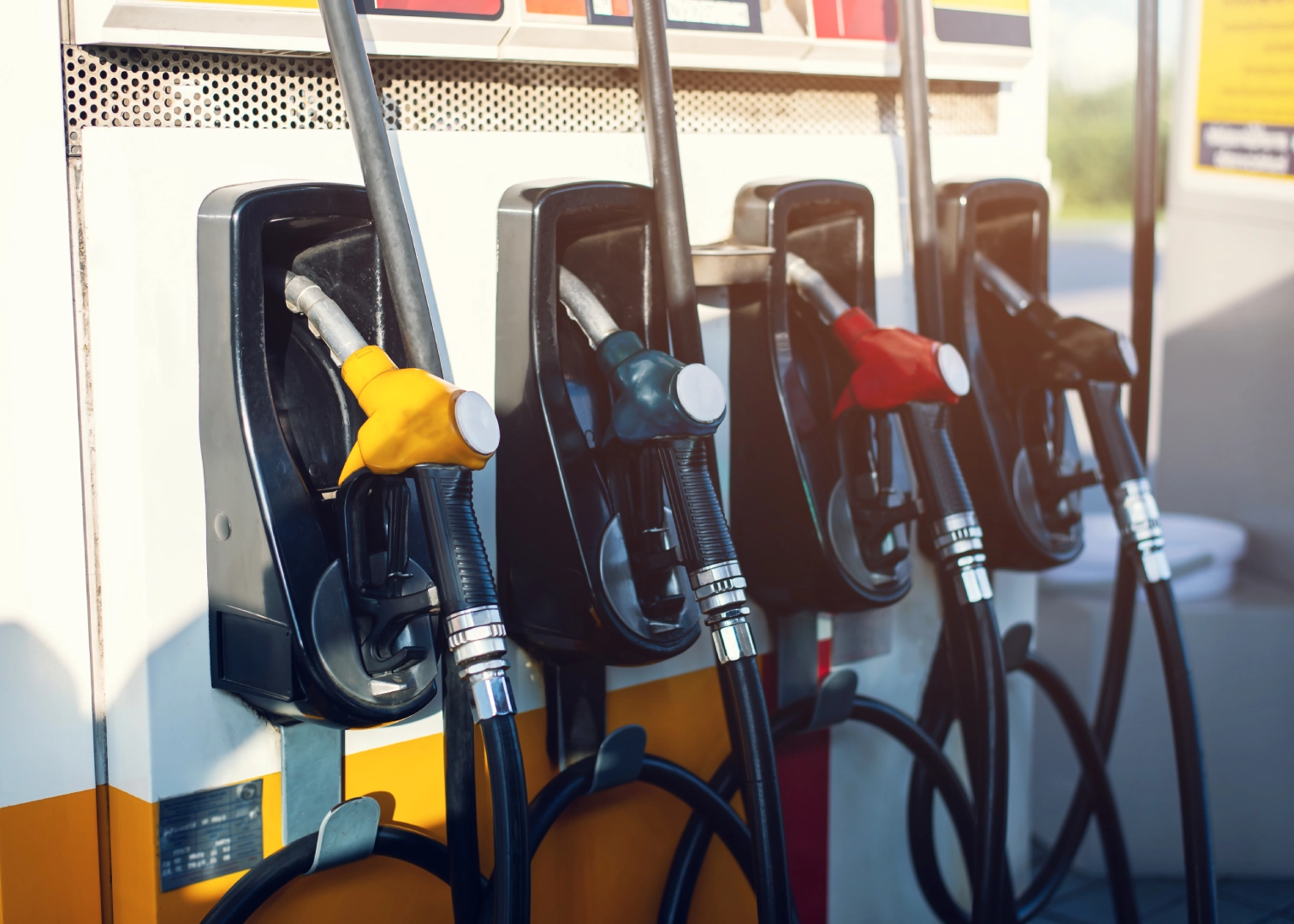
Starting today, May 15, Kenyans will pay KES 214.25 for a liter of Super Petrol and KES 242.92 for Diesel in Nairobi. Those are not typos.
Diesel has just recorded its highest pump price in Kenya’s history, rising by KES 46.29 in a single pricing cycle. Petrol went up by KES 16.65. Kerosene stayed at KES 152.78.
To understand how sharp this is, consider that the previous record for the largest single-month jump in any petroleum product was KES 40.30 per liter, set for Diesel last month. This month’s Diesel increase surpasses that by nearly 15%.
The Energy and Petroleum Regulatory Authority (EPRA) says the driver is a steep rise in landed costs. The average landed cost of Super Petrol rose by 10%, from $823.27 to $906.23 per cubic meter, while Diesel’s landed cost surged by over 20%, from $1,073.82 to $1,291.98 per cubic meter.
The root cause is the war in the Middle East. The surge indicates the impact of the US-Israel war on Iran, which triggered a global fuel price rally in March and April amid tightening supplies and disruption of the Strait of Hormuz.
READ: Fuel Shortage in Kenya Linked to Supply Chain Disruption
Brent crude hit a four-year high of $126.41 per barrel in April following the escalation of the conflict. Because Kenya imports every liter of refined fuel it consumes, it absorbs these shocks directly and in full.
The government is deploying roughly KES 5 billion from the Petroleum Development Levy Fund to cushion prices for Diesel and Kerosene this cycle. Without that intervention, prices would be considerably higher.
In the previous cycle, Kerosene alone required a subsidy of KES 96.56 per liter to hold its pump price at KES 152.78, meaning the product would have retailed at close to KES 250 without state support.
It is worth noting that VAT on petroleum products was recently cut from 16% to 8%, which has helped contain some of the increase.
The Fuel Coming In Is Already Lower Quality
Before getting to the economic fallout, there is a more immediate problem with the Diesel itself.
On April 30, the government announced that it was relaxing fuel quality standards. The sulphur ceiling for Super Petrol and Diesel sold in Kenya was raised to 50mg/kg, up from the 10mg/kg ceiling set under the new KS EAS 177:2025 and KS EAS 158:2025 standards.
That is a fivefold increase in the legally permitted sulphur content, rolling Kenya’s fuel quality back to where it stood in 2015.
The reason given is that fighting in the Middle East has disrupted shipping through the Strait of Hormuz, making fuel that meets Kenya’s newer, tighter specifications harder to source and more expensive to procure. The waiver runs for 6 months.
The timing is awkward because the MT Paloma scandal happened just weeks before this decision. That cargo, which triggered arrests and the resignations of the petroleum Principal Secretary, the EPRA Director General, and the Kenya Pipeline MD, allegedly carried fuel with sulphur at 43mg/kg, against the then-legal limit of 10mg/kg.
The waiver issued April 30 permits 50mg/kg. The cargo that was at the center of a criminal investigation would have been legal under the new rules.
Higher sulphur content is not just an environmental issue. Modern vehicles equipped with Diesel Particulate Filters (DPFs) and catalytic converters are designed for 10ppm fuel.
Sulphur poisons the Diesel oxidation catalyst, which then dumps unburnt hydrocarbons into the DPF, which can then fail catastrophically. Replacing a DPF on a typical Diesel SUV costs more than KES 100,000 in parts alone.
Oxygen sensors fail faster. Engine oil thins out because sulphur products contaminate it during combustion. Drivers won’t notice immediately. That is the problem. The damage is cumulative, and the repair bill arrives later.
The Kerosene Gap and the Adulteration Problem
Now look at the current pump prices again. Diesel is at KES 242.92. Kerosene is at KES 152.78. That is a gap of KES 90 per liter between two products that look almost identical and, in a tank, are very hard to distinguish without testing.
This gap has historically been a direct invitation to adulteration. Kenya has a long-running problem of rogue traders mixing cheaper Kerosene into Diesel to profit from the price margin.
The government introduced an anti-adulteration levy of KES 18 per liter on Kerosene in 2018 specifically to close that gap and reduce the financial incentive for the practice.
At today’s prices, that levy is doing almost nothing. The margin between the two products has never been this wide.
The anti-adulteration levy of KES 18 per liter is still in place on Kerosene today, but a KES 18 levy against a KES 90 spread is largely symbolic.
When a dealer can buy Kerosene at KES 152.78 and pass it off as Diesel at KES 242.92, the financial return on that risk is enormous, and enforcement in Kenya has historically been uneven.
EPRA’s own compliance data from early 2026 identified five stations found selling or transporting Diesel mixed with domestic Kerosene or Diesel meant for export out of 753 sites tested. Those are the ones that were caught.
The problem is that adulterated Diesel does not just damage engines. It reduces fuel efficiency, meaning vehicles consume more to travel the same distance, compounding costs for transport operators already under pressure.
A matatu or truck running on cut fuel will spend more at the pump and more at the mechanic. Those costs are passed on.
What This Means for the Cost of Living
Diesel is not just a fuel for private cars. It powers public service vehicles, trucks carrying food and goods across the country, generators, and most industrial machinery.
Higher fuel prices have already triggered a ripple effect across the economy, with matatu fares, food prices, and transport costs increasing in several towns.
READ: Fuel Hike Pushes Matatu Fares Up to KES 190 in Nairobi
In April 2026, the average price of Super Petrol and Diesel rose to nearly KES 200 per liter, contributing to a rise in inflation from 4.4% in March to 5.6% in April. The May prices are significantly higher than April’s. Another inflation jump is coming.
The record pump prices are expected to trigger fresh inflationary pressure and further increases in the cost of goods and services. For households that are already stretched, the timing is brutal.
Food prices will rise because transport costs will rise. Electricity generation costs will rise because many generators run on Diesel. Manufacturing input costs will rise. Everything that moves by road gets more expensive when Diesel goes up, and Diesel just went up by KES 46 in one month.
The government’s subsidy helps at the margins. Cutting VAT helps at the margins. However, the structural exposure is unchanged: Kenya imports all of its refined fuel, prices are set in dollars, and the shilling has limited room to absorb shocks.
Until the Middle East situation stabilizes, or until Kenya builds meaningful strategic fuel reserves, every pricing cycle carries the risk of another record.