




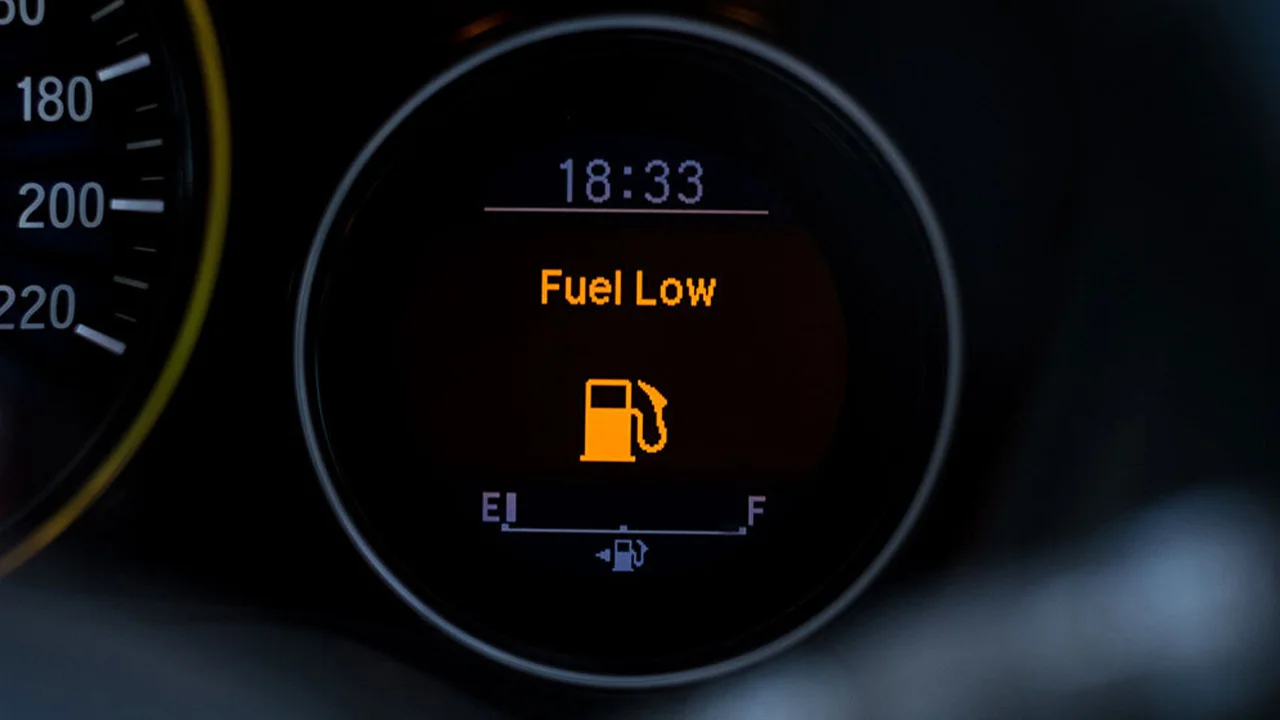
Kenyans woke up this week to queues and empty pumps at many fuel stations across parts of the country.
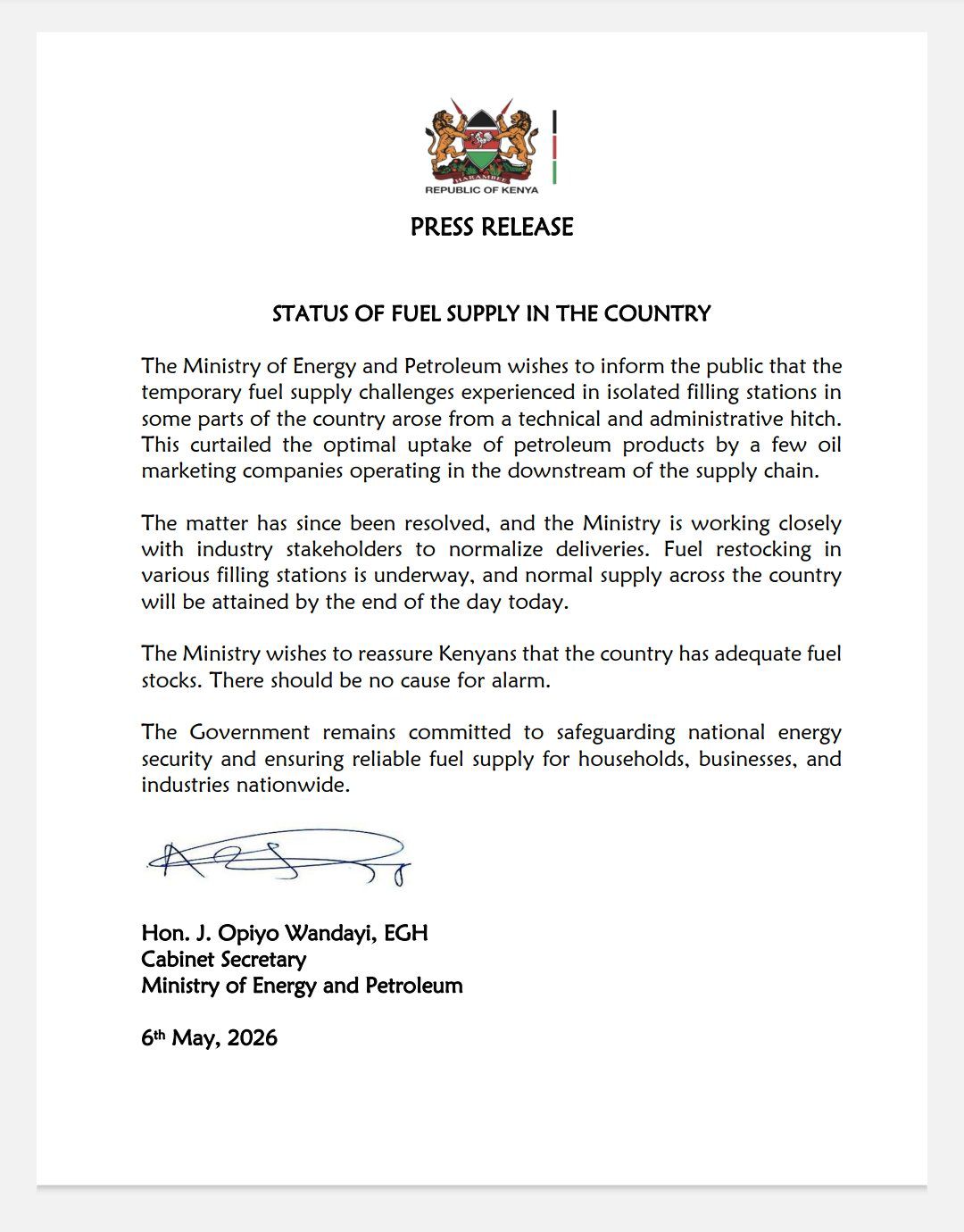
The Ministry of Energy and Petroleum moved quickly to explain what happened, saying a technical and administrative problem had prevented some oil marketing companies from collecting petroleum products efficiently from the supply chain.
By May 6, the ministry said the issue had been resolved and stations would be restocked by the end of the day.
So that’s sorted. But zoom out a little, and the picture gets more interesting.
The shortage didn’t happen in a vacuum. Kenya has been wading through a broader disruption to its fuel supply chain, one that traces back to the conflict in the Middle East.
Fighting there has complicated shipping through the Strait of Hormuz, a narrow waterway through which a massive portion of the world’s oil and refined fuel moves.
When that route gets difficult, fuel that meets Kenya’s quality specifications becomes harder to source and more expensive to procure. That squeeze had already prompted a separate, controversial decision a week before the shortage made headlines.
On April 30, Cabinet Secretary Lee Kinyanjui of the Ministry of Investments, Trade and Industry approved a 6-month waiver relaxing Kenya’s sulphur content standards for diesel and super petrol.
Kenya had upgraded its fuel quality rules for Diesel and Super Petrol, tightening the allowable sulphur content in line with a global push toward cleaner fuels. The waiver walks that back.
For the next 6 months, sulphur levels in both fuels can go up to 50 milligrams per kilogram, which is the old limit, rather than the tighter figure the updated standards required.
The global direction of travel has been toward ultra-low sulphur fuels at around 10 to 15 milligrams per kilogram, so this is a big step in the wrong direction, even if temporary.
When sulphur burns, it produces sulphur dioxide, which contributes to air pollution and acid rain. It also wears harder on modern engine components, especially emission systems.
READ: Fuel Hike Pushes Matatu Fares Up to KES 190 in Nairobi
The difference in a single tank won’t be obvious to anyone, but across millions of vehicles over 6 months, it adds up. The request for the waiver came from the Ministry of Energy and Petroleum, the same ministry managing the supply chain that just experienced a breakdown.
It was reviewed by the Kenya Bureau of Standards and the National Standards Council before being approved.
The ministry said it weighed consumer welfare and economic stability before signing off. Only the sulphur parameter is affected; the rest of the fuel standards remain in force.
The government says it will review the waiver sooner if global market conditions improve, but the 6-month window is the working assumption for now, which takes this well into the second half of 2026.
READ: Kenya Fuel Stocks Provide 16-Day Buffer, But Treasury Fears Middle East Delays
Put together, this is what the situation actually looks like: a supply chain under strain from global disruptions led to a temporary shortage at the pump, and the government’s longer-term response to that same strain is to bring in fuel that doesn’t meet the standards Kenya had just upgraded to.
Keeping stations stocked took priority over holding the line on fuel quality, and for now, that’s the trade-off Kenyans are living with.