








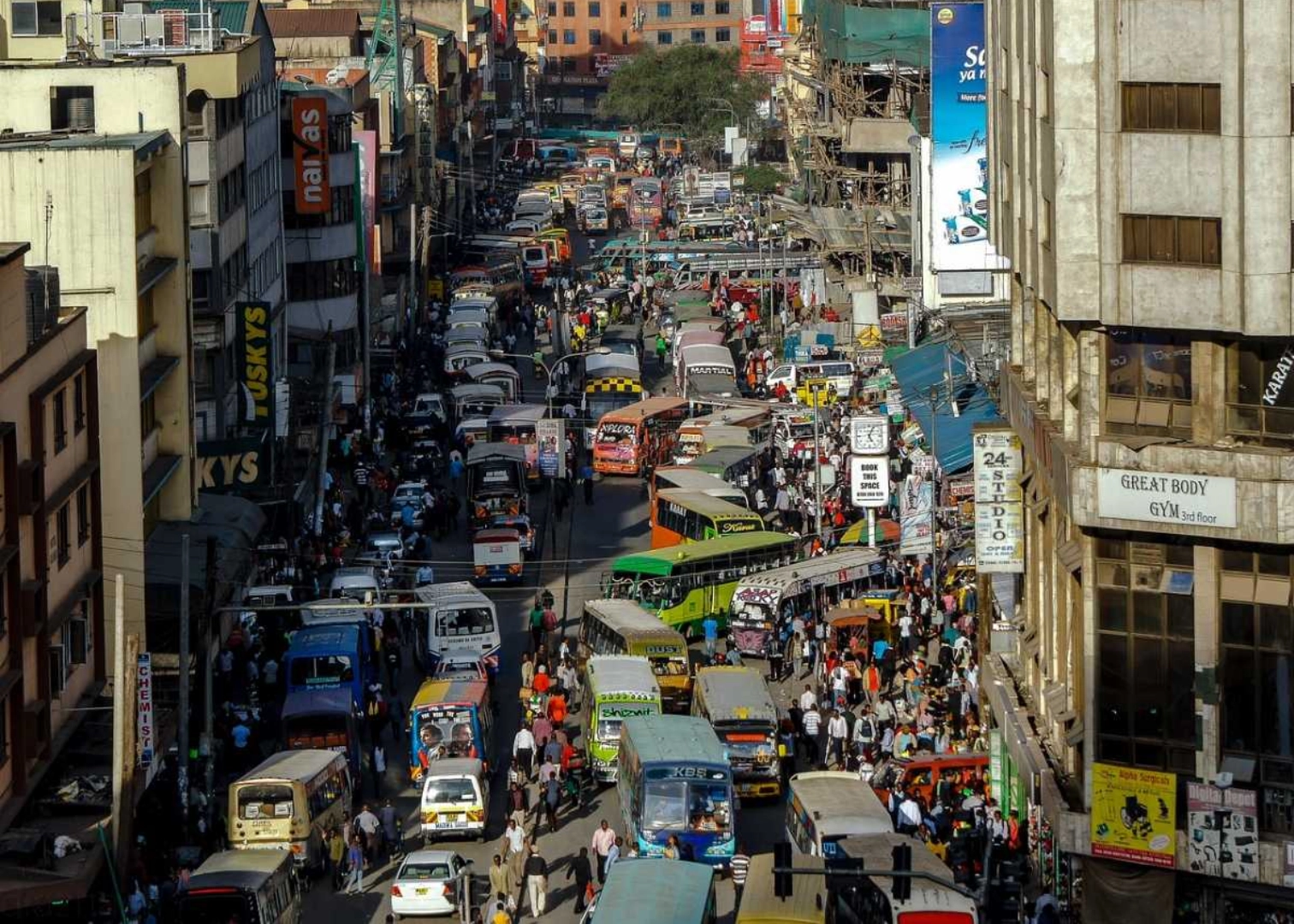
Kenyan commuters today woke up to a rough reality. Matatu fares went up by 50% on Friday after the Energy and Petroleum Regulatory Authority (EPRA) raised Super Petrol prices by KES 16.65 per liter and Diesel by KES 46.29 per liter. Kerosene was the only fuel spared.
If you were paying KES 100 for your usual route, you are now looking at KES 150, effective immediately.
The operators did not stop at raising fares. The matatu association also announced a full strike starting Monday, May 18, warning that there will be no matatu movement whatsoever.
Albert Karakacha, a representative of the matatu association, was direct about what that means: roads blocked, operations suspended, and no negotiations until the government acts on fuel prices.
Operators say the fuel cost increases have made it nearly impossible to run their businesses without either hiking fares or shutting down. They also say the government had made promises to address the fuel burden on the transport sector that never materialized.
READ: Fuel Hike Pushes Matatu Fares Up to KES 190 in Nairobi
The warning also extended to transport network companies like ride-hailing apps, which were told in no uncertain terms not to interfere with drivers who implement the new fares.
On the government side, Energy Cabinet Secretary Opiyo Wandayi pointed to global oil market instability driven by geopolitical tensions in the Middle East as the reason behind the price jump.
He said his ministry has started engaging stakeholders across energy, transport, and manufacturing sectors to find ways to reduce the impact on consumers, though no concrete measures were announced.
Monday will be the real test. If the matatu strike holds, millions of commuters in Nairobi and other major towns will need to find alternative transport, and there is not much of it.