






Safaricom has issued a public apology today for the troubled rollout of My OneApp, acknowledging that a significant number of users have had a poor experience since the app launched. The statement, released on X, was short and direct, as you’d expect from a corporate entity.
The company admits the experience fell short, singles out roaming and diaspora customers as having faced the worst of it, and calls out one specific group that arguably had no say in the matter at all: people whose phones were on auto-update, who were moved onto My OneApp without choosing to make the switch.
When your phone silently updates and you wake up to a completely different app sitting where your M-PESA used to be, one that may not let you log in, that’s not a product launch problem. That’s a user trust problem.
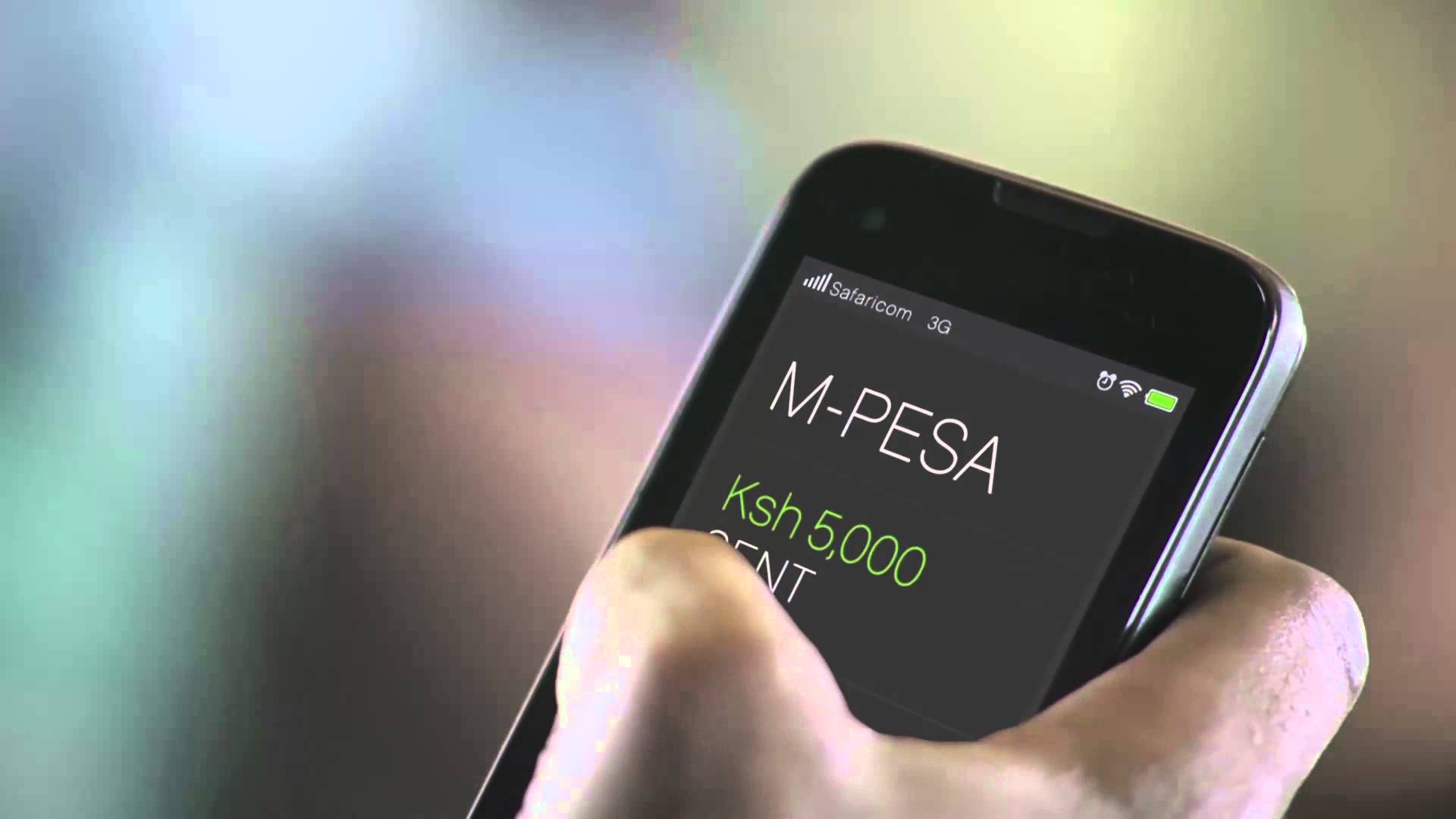
The app was built to consolidate two separate tools, the old M-PESA app for payments and the MySafaricom app for account management, into a single platform. The idea behind this was fewer apps, simpler flows, and better security.
In practice, the rollout exposed just how much could go wrong when a payments app that millions depend on for daily transactions doesn’t work reliably from day one.
The core issues that surfaced included login failures, frozen transfers, sluggish performance, and unexpected logouts. The most acute complaints came from Kenyans abroad, who discovered that My OneApp requires a Safaricom SIM with active Safaricom mobile data just to complete first-time activation.
Someone traveling or living outside Kenya who got logged out was essentially locked out until they either returned or found a workaround.
Safaricom’s position is that the SIM-based activation requirement is a fraud prevention measure designed to verify the SIM is physically in the device and block SIM-swap attacks. That logic holds up in theory, but in reality, it also locked out a chunk of perfectly legitimate users who had no way to meet those conditions from where they were.
READ: Safaricom’s My OneApp Issues: Why It’s Failing and How to Revert to the Old M-PESA App
Safaricom says its teams are “working around the clock” to resolve the issues and that the goal is for users both in Kenya and abroad to be able to access the app seamlessly. What the statement doesn’t include is a timeline.
There’s no commitment on when the diaspora login issue will be resolved, no detail on what exactly is being changed in the app, and no explanation of whether the activation requirements will be relaxed or redesigned.
For users who have already lost confidence in the app, Android users can revert to the older standalone M-PESA app (version 3.5.9), which is still available through APKMirror, though it requires fully uninstalling My OneApp first and disabling automatic updates to stay on it.
iPhone users don’t have that option, since Apple doesn’t allow sideloading.
The older MySafaricom App is also still available for now, which suggests the migration is still in progress rather than complete.