






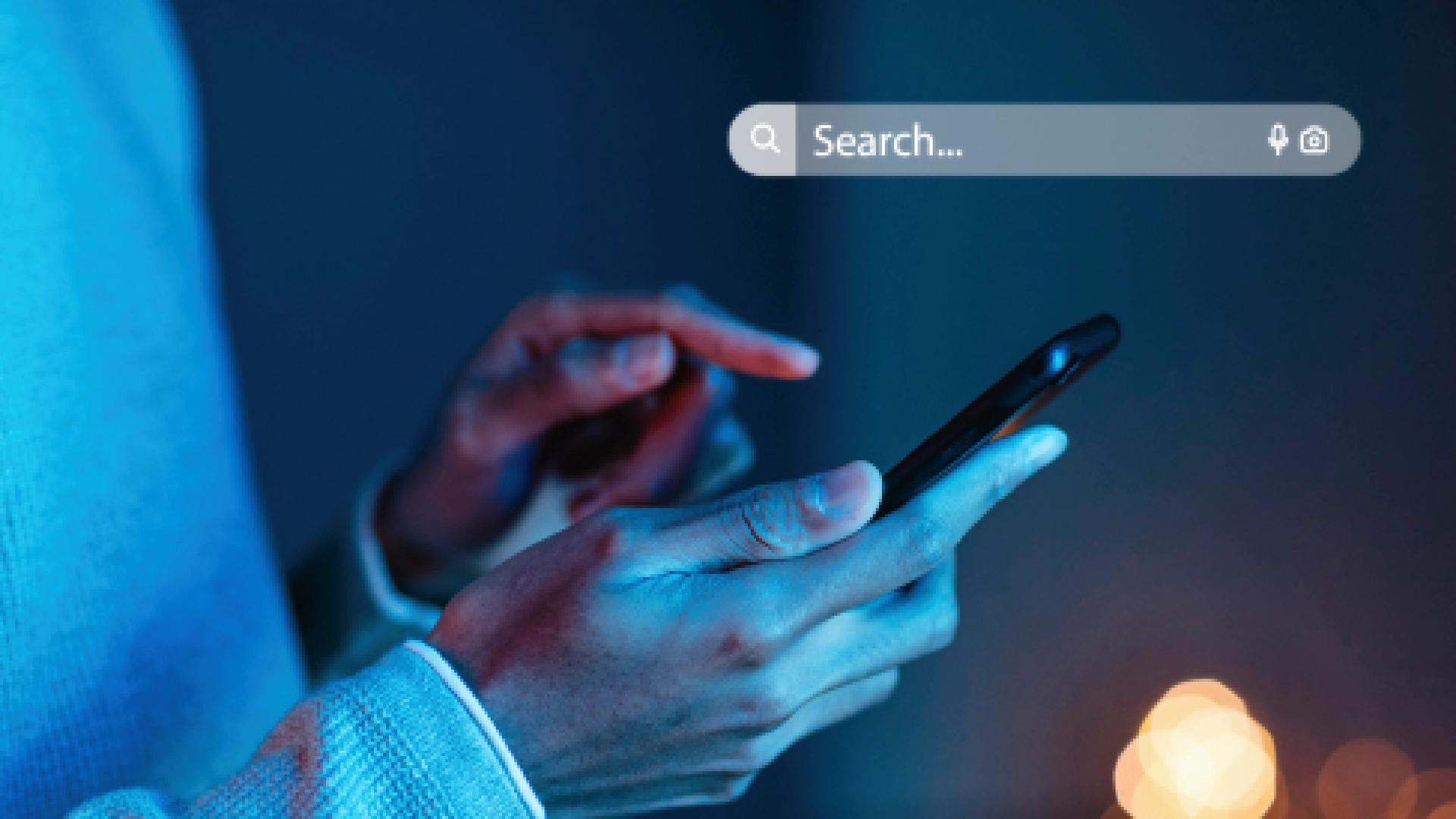
If you have ever tapped a phone number inside a Google search result to call a business, that call may soon be recorded and listened to by Google’s software.
A policy update taking effect on July 1, 2026, makes call recording the default setting for businesses advertising on Google Ads, and most people on both sides of the call will have no idea it is happening.
Google Ads lets businesses show a phone number directly in their ads. When you tap that number, the call does not go straight to the business. It routes through a Google Forwarding Number, a middleman line that lets Google track whether the ad led to a call.
Until now, tracking was simple. Google only recorded when a call happened and how long it lasted. If the call lasted longer than a set number of seconds, it was counted as a successful lead for the advertiser.
From July, any advertiser who has not previously chosen a call recording preference will have it switched on automatically. Google’s software will then listen to and analyze those calls to decide whether a real business interaction took place.
A call where someone asks about pricing or books an appointment counts as a quality lead. A wrong number or robocall gets filtered out.
Why Is Google Doing This?
The official reason is accuracy. Call duration was always a poor way to measure whether an ad actually worked. A long call could still be a misdial, while a short one could be someone confirming a booking they had already made online.
Google’s pitch to advertisers is that better information produces better results. If the software can identify which calls lead to actual business, it can help advertisers target more people like those callers. Advertisers get more for their money and keep spending on Google.
The less flattering result is that Google is collecting voice data at scale. Every recorded call teaches its systems what purchase intent sounds like across thousands of different industries. That has value well beyond tidying up one advertiser’s reports.
Who Will It Affect?
The update applies to calls made through Google Ads in the United States and Canada only. The call must go through a Google Forwarding Number for recording to apply. Businesses in healthcare and financial services are excluded.
Advertisers who had previously opted out keep their setting. Everyone else who does nothing before June 30, 2026, gets recording switched on by default.
The person calling has no say in this and will generally receive no notification.
What You Can Do as a Caller
Since the recording happens on Google’s servers before the call reaches the business, there is not much you can do from your phone. It makes no difference whether you are on an iPhone or Android.
The most simple workaround is to go directly to the business website and call from the number listed there. That number will not go through Google’s forwarding system.
For anything involving sensitive personal or financial details, a web form or email is safer than a phone call placed through an ad. You can also simply ask whether the call is being recorded before you say anything. A legitimate business should answer honestly (at least, that’s what we hope they’d do).
What Advertisers Need to Do
If you run Google Ads campaigns that include phone numbers in your ads, log into your account, go to Admin, open Account Settings, find the Call Recording section, and set your preference before June 30.
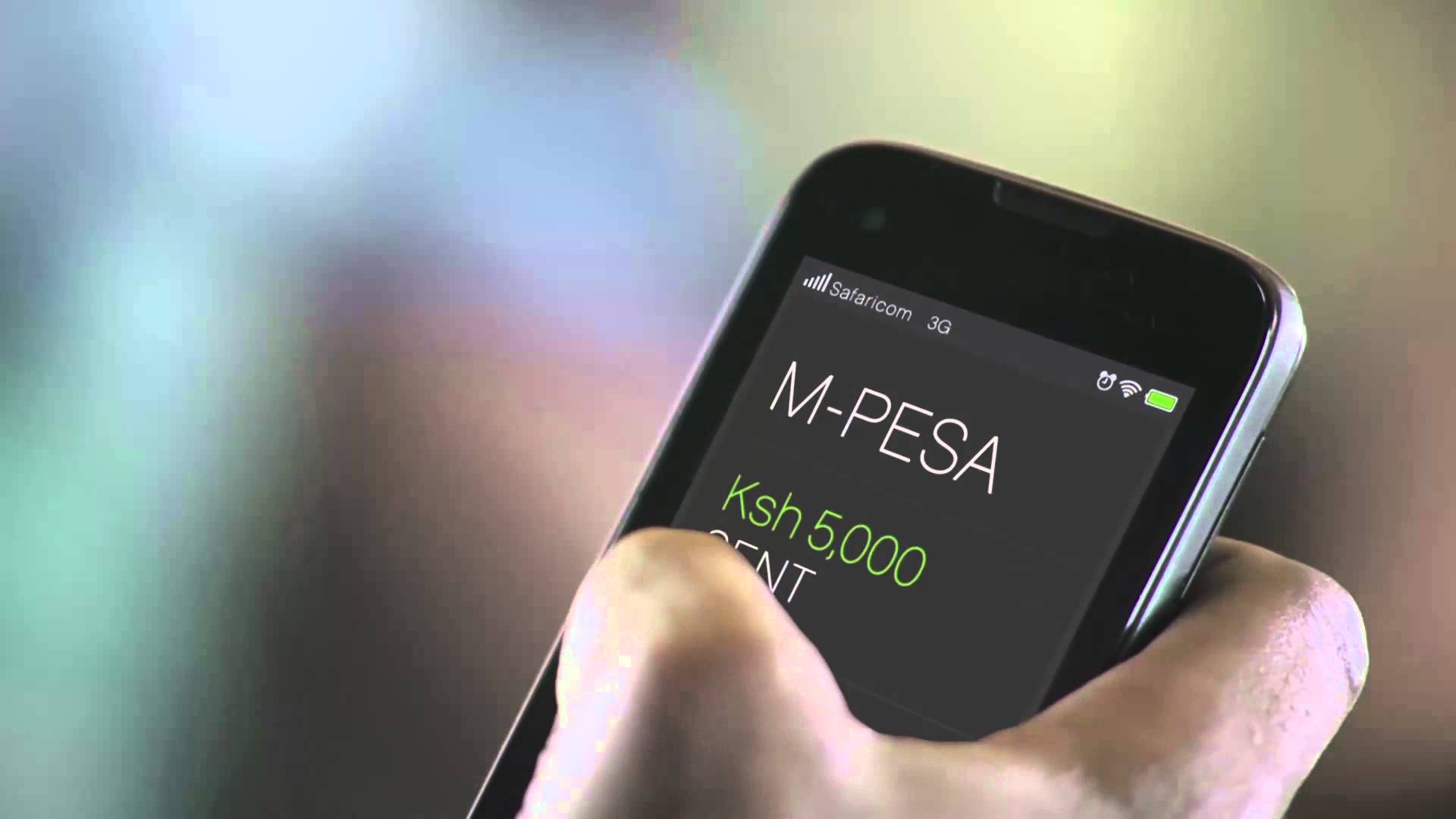
If you do nothing, Google sets it to “Yes” on your behalf. The update currently covers the US and Canada. Whether Google extends it to other markets, including Kenya, remains to be seen.