




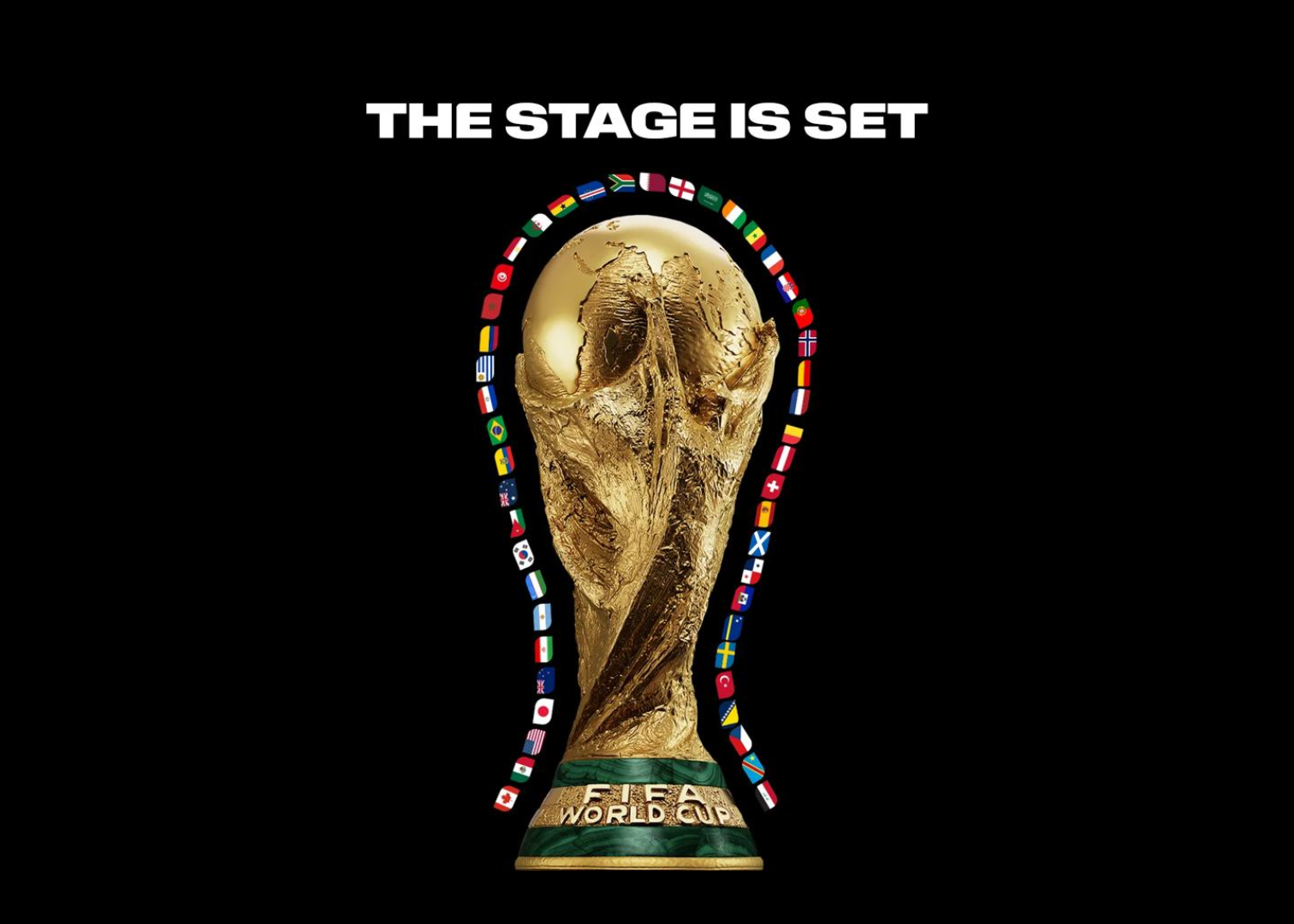
FIFA and YouTube have announced a “Preferred Platform” partnership for the 2026 World Cup, giving YouTube an expanded role in how the tournament reaches global audiences.
The deal is broader than a standard broadcast arrangement, but it stops well short of giving YouTube the rights to the competition itself.
What YouTube secured is a partnership built around access and ecosystem. Official media partners can live stream the first 10 minutes of every match on their YouTube channels, with select partners also given the option to stream full matches.
READ: How Technology and New Rule Changes Will Influence the Upcoming World Cup 2026
A global group of creators will get behind-the-scenes access, producing tactical breakdowns and human-interest content aimed at drawing in audiences who might not sit through a full 90 minutes.
Historical footage from FIFA World Cup archive also becomes available on the platform, adding depth around the tournament.
Taken together, it is a smart content play, broadening how fans engage with the competition. However, the more telling piece of the deal is YouTube Primetime Channels.
For American viewers, the subscription gateway is Fox One, priced at $19.99 per month through YouTube’s Primetime Channels storefront, providing access to all 104 matches in English. The convenience argument works well in that market: everything sits within one app, no separate logins required.
READ: The 2026 FIFA World Cup Ball Will Now “Talk” to Referees
For Kenyan viewers, the picture is different (no pun intended). SuperSport holds the pan-African rights for all 104 matches, available across DStv packages. Monthly subscriptions range from KES 1,450 on the Access package up to KES 11,700 for Premium, with every tier now carrying live World Cup coverage.
As for free-to-air options, KBC has yet to secure broadcast rights, leaving Azam TV, New World TV, and SuperSport as the only confirmed broadcasters in the country.
Where YouTube fits into the Kenyan experience is limited. The first 10 minutes of matches are available on YouTube, but the streams are geo-restricted, meaning access is not guaranteed depending on your location.
The creator content and archival footage have no such restrictions, but that is supplementary viewing, not the tournament itself.