






You open YouTube on your TV to watch something, but before the video even starts, you sit through a 30-second ad you cannot skip. Then, mid-video, another one, and when you pause to grab a snack, a “Pause Ad” comes to your screen like it has been waiting for you.
You come back, press play, and the content finally resumes. You have now watched more advertising than actual content in the first three minutes of your session. Welcome to YouTube in 2026.
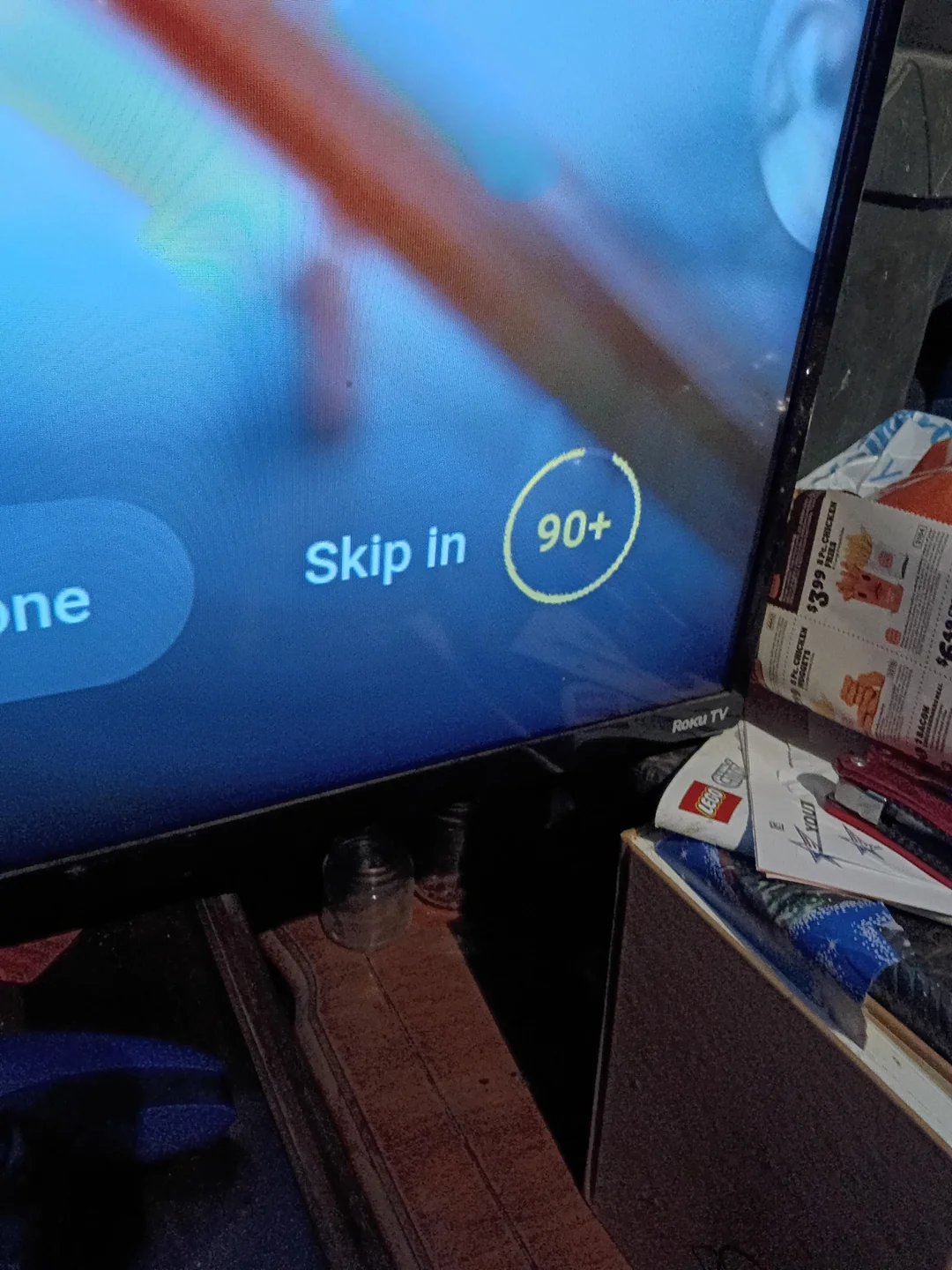
YouTube has rolled out unskippable 30-second ads on connected TVs globally, binning the old format of two consecutive 15-second ads.
The platform is also testing 60-second unskippable spots in some markets, while its systems dynamically pick between 6, 15, 30, and 60-second formats depending on the content and the advertiser.
That last part is worth keeping in mind because the algorithm decides how long you wait and you have no say in it.
What YouTube is quietly building is an ad delivery engine that behaves less like an internet product and more like a TV broadcast slot, which is funny because people left cable TV precisely because the ads were unbearable.
YouTube was the escape hatch. Now it is becoming the thing people escaped from, except this time the cable company also owns the search engine you use to find a plumber.
Here is where the irony gets rich. Google, the same company running this ad machine, will happily charge you a monthly fee to turn it off.
Advertisers pay Google to interrupt you, and then Google turns around and charges you to stop being interrupted by the people paying Google. It is a protection racket with a nicer interface.
The newer additions make it worse; for instance, “Shoppable CTV” transforms TV ads from brand awareness tools into direct-response, transactional experiences, allowing viewers to purchase products immediately without leaving their couches.
These ads track your viewing habits so advertisers can serve you targeted product pitches directly on your television.
Then there is what Google calls ‘server-side ad injection’ to fight ad blockers, especially on browsers. The way ad blockers have always worked is simple: your browser sees an ad coming from a separate, outside server, recognizes it as an ad, and quietly kills it before it loads.
Server-side ad injection changes the model entirely. Instead of ads coming from an outside server, YouTube now bakes them directly into the video stream from its own servers.
READ: AI Will Now Help YouTube Choose the Perfect Moment for Ads
To your browser, the ad and the actual video look identical. The blocker cannot tell them apart anymore, so everything gets through.
Google has been building toward this for a while. In 2023, YouTube started actively blocking ad blockers outright, with users getting warning messages and degraded video playback if they refused to whitelist.
The backlash was loud, and people complained, but then users just stayed anyway. That was the moment Google learned something important about its own audience: the frustration has a ceiling, and that ceiling is high, and so it kept going.
READ: YouTube Desktop Glitches Linked to Latest Ad-Blocker Crackdown
The 30-second unskippable rollout follows the same logic. The difference from platforms like Netflix is that YouTube built its entire global audience on a free model first and is now tightening the terms gradually, betting that habit is stronger than frustration.
So far, that bet is winning.
Connected TV has become the fastest-growing segment of the digital advertising market globally, and YouTube dominates those smart TV screens.
Advertisers have long pushed for longer, uninterrupted formats there because the living room context feels closer to traditional TV than a phone or laptop. YouTube is giving them exactly what they want, and you are the product on the table.
The term for this trajectory is “enshittification,” which describes how platforms start by being good to users, then pivot to being good to advertisers, and eventually just serve themselves.
YouTube is deep in phase two, edging toward phase three. The free tier still exists, but it is being made progressively more unpleasant so that Premium looks like the rational choice.
The people absorbing the hardest end of that squeeze are in markets where YouTube is more than entertainment. It is where people follow news, sit through online classes, access health information, and pick up practical skills.
Making that experience worse has consequences that stretch well beyond viewing habits.
YouTube wants the revenue of a broadcaster and the reach of the open internet. Right now, it is getting both; the question is how long people will keep paying, in time, attention, or money, before that deal stops feeling worth it.