







Safaricom has updated My OneApp to stay logged in even when users switch to Airtel Kenya or other non-Safaricom networks.
Previously, the app would sign users out the moment they lost Safaricom connectivity, and getting back in required Safaricom mobile data, which made the app a nightmare for anyone roaming abroad or simply moving between networks.
This update is important for diaspora users who had been loud about how broken the experience was. If you got logged out while abroad, you were essentially stuck.
Reactivating the app required a Safaricom SIM physically in the device, Safaricom mobile data, no WiFi, and no VPN. For someone sitting in London or New York with no local Safaricom bundle, that was a dead end until they either bought a roaming bundle or flew back.
Safaricom’s original reasoning for those strict activation requirements was fraud prevention, specifically guarding against SIM-swap attacks.
On paper it made sense, but it ended up locking out a significant number of completely legitimate users, and that is a bad trade-off for such a crucial app.
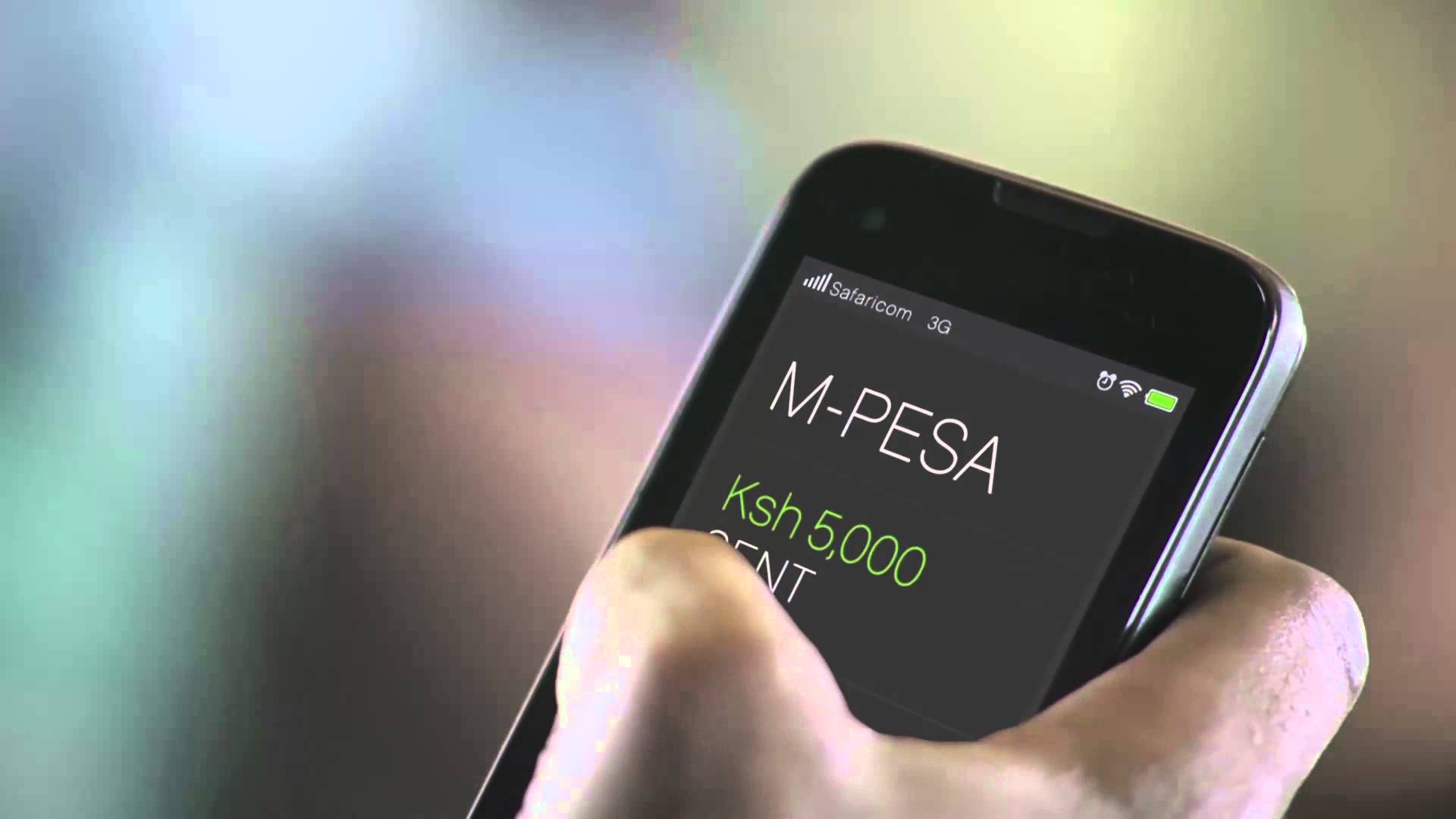
The app launched in April as a merger of the old M-PESA app and the MySafaricom app, which separately handled payments and account management. Though the idea behind it was simple, the execution was not.
Within days of launch, Safaricom was already publicly acknowledging login failures and broken mini-app services, which is not a great look for an app that sits on top of the payment system millions of Kenyans use daily.
Users also reported frozen transfers, confusing balance displays, and general sluggishness on top of the login problems.
Android users fed up with the whole thing can roll back the update by uninstalling the My OneApp first and disabling automatic updates so Google Play does not push you straight back. Unfortunately, iPhone users do not have such an option.
This network compatibility update does not fix everything, but it removes what was arguably the most disruptive problem the app had. Only time will tell if this change is enough to recover the trust of users who hit walls in the first few weeks of the app’s launch.