




There’s a graveyard no one talks about, and you’ve visited it more times than you realize.
It’s the app you opened every day for three years that you haven’t thought about since. The service that felt so essential you couldn’t imagine the internet without it until one morning you simply stopped needing it and never looked back.
We live in the only industry where dominance has an expiration date. Where being first, biggest, and most beloved offers no guarantees whatsoever. Where a company can be worth billions on a Tuesday and irrelevant by Friday.
Not through scandal or failure, but simply because something better showed up.
The 2010s were the decade that felt like the internet had finally figured itself out. It gave us social media, smartphones, streaming, and the app economy, and at the time it felt it would last forever.
It all snapped into place, and suddenly everyone on Earth was connected, entertained, and navigating life through a four-inch screen. We thought these were permanent fixtures woven into the fabric of how modern life worked.
This is the story of what we lost, why we lost it, and what’s disappearing next.
Skype
At the start of the 2010s, Skype was the answer to “how do we video call?” From business meetings to families separated by continents, Skype was the undisputed standard for video calling. That distinctive ringtone alone is enough to send you straight back.
Then Zoom happened. One pandemic later, Zoom had done in three months what Skype couldn’t do in a decade, which was becoming the default video call app. Meanwhile WhatsApp, FaceTime, and Google Meet carved up every other use case.
Microsoft, despite owning Skype since 2011, never seemed to decide whether it was a consumer product or a business tool and that identity crisis ultimately killed it.
Even for Microsoft, Microsoft Teams has become the centerpiece of the company’s communication ecosystem, offering comprehensive collaboration tools that cater to modern workplace demands.
Skype was officially shut down in May 2025.
Replaced by: Zoom, Google Meet, FaceTime, WhatsApp
Vine
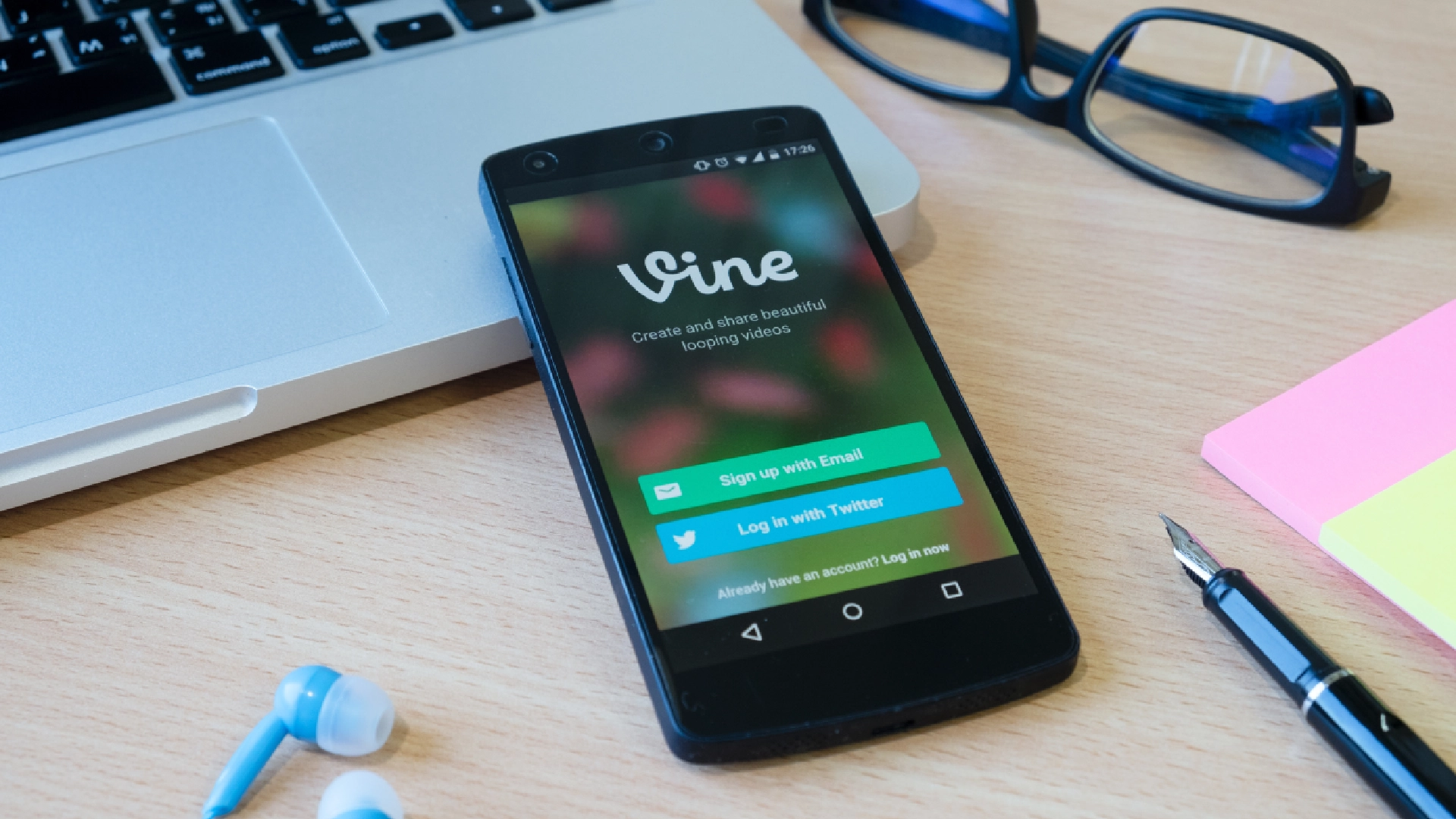
Vine basically invented the short, punchy, looping video format that dominates the internet today. It launched careers, spawned memes, and built a language of humor still referenced a decade later.
Twitter owned a goldmine but let it die in 2017, simply because it couldn’t figure out how to pay the creators who made it worth anything. The people who built Vine’s culture left for YouTube and Instagram.
TikTok arrived in 2018 and became a trillion-dollar cultural force built on Vine’s exact blueprint. The wound still stings for anyone who watched it happen.
Replaced by: TikTok, Instagram Reels, YouTube Shorts
Snapchat Stories (as a concept)
Snapchat is still around, but it doesn’t feel like the same app anymore. In the early to mid-2010s, Snapchat Stories changed how people used social media.
Posts disappeared after 24 hours, which made everything feel more real and less polished. It was casual, spontaneous, fun and for a while, it seemed like everyone was on it.
Then in 2016, Instagram rolled out its own version of Stories, almost feature for feature. Facebook followed and even WhatsApp. Once disappearing posts were available on every major platform, there was less reason for most people to stick with Snapchat, unless they were already part of its core Gen Z crowd.
The app still has users, but it’s no longer at the center of online culture the way it once was.
Replaced by: Instagram Stories, WhatsApp Status, TikTok
Google+

Google launched Google+ in 2011 with serious force behind it. It tied the platform to YouTube and Gmail and pushed users across its ecosystem to sign up. For a short while, it looked like it might compete with Facebook.
However, people weren’t joining because they loved it, they were joining because they had to. It never built a strong, active community, and it quickly felt empty.
Google shut it down for consumers in 2019. In the end, it showed that you can’t force people to be social somewhere they don’t want to be.
Replaced by: Facebook and Instagram, which simply stayed dominant
BlackBerry
BlackBerry was the 2010s business status symbol. Executives used it, politicians relied on its security feature, and Barack Obama famously refused to give his up. The physical keyboard, the BBM messenger, and its legendary security made it the go-to device for professionals.
However, as iPhones and Android phones improved, touchscreens became normal and apps became central to the smartphone experience, where BlackBerry struggled to keep up. It eventually released Android devices, but by then it had lost its identity.
By the mid-2010s, it was effectively out of the smartphone race, and its last phones stopped receiving support in 2022.
Replaced by: iPhone, Samsung Galaxy, Android ecosystem broadly
BBM (BlackBerry Messenger)
Before WhatsApp took over, BBM was the cool messaging app to have. You needed a BlackBerry and a PIN to use it. It had read receipts and broadcast messages long before many others did. If you didn’t have BBM, you felt left out.
Then WhatsApp offered the same features on every smartphone, without needing a specific device. BBM opened up to Android and iPhone users in 2013, but by then people had already moved on.
Eventually, it was shut down in 2019.
Replaced by: WhatsApp, iMessage
Periscope
Though it never quite broke into the mainstream, Periscope was quietly revolutionary when it launched in 2015. Point your phone at anything, a breaking news scene, a protest, a concert, and broadcast it live to the world. It was livestreaming before livestreaming was even a thing.
Journalists streamed breaking news while activists streamed protests. It felt like anyone could become a broadcaster.
Then Facebook, Instagram, and YouTube added live video to platforms that already had massive audiences. Periscope couldn’t compete with platforms that already had everyone’s attention. As a result, Twitter shut it down in 2021.
Replaced by: Instagram Live, TikTok Live, YouTube Live, Twitch
iTunes
For years, iTunes was how many people bought and organized music. You purchased songs or albums, downloaded them, and synced them across your Apple devices. It was the center of digital music.
Then streaming came along and changed everything. Why buy an album when Spotify has every album, forever, for one monthly fee?
Apple itself killed iTunes in 2019, splitting it into Music, Podcasts, and TV apps. The era of buying and “owning” digital music was essentially over after that.
Replaced by: Spotify, Apple Music, YouTube Music
Tumblr

Tumblr in the early-to-mid 2010s was the internet’s creative underground for fandoms, art, long-form blogging, niche subcultures, and communities that couldn’t find a home anywhere else. It was genuinely irreplaceable for a certain kind of person.
Then in 2018, Apple threatened to remove the Tumblr app over adult content. Tumblr responded with a sweeping, poorly executed content ban that wiped out massive amounts of legitimate creative work in the crossfire.
The user base collapsed almost overnight. After being bought by Yahoo for $1.1 billion in 2013, Tumblr was later sold by Verizon for a reported $3 million.
Replaced by: Twitter/X, Reddit, Substack, niche Discord communities
When the Future Expires
Today’s giants aren’t immune either. Instagram, TikTok, WhatsApp, and YouTube all feel untouchable right now, but so did the long-gone tech giants mentioned here.
User habits shift faster than companies expect, teenagers move first, creators follow attention, and suddenly dominance starts to look fragile.
The new wildcard at the moment is AI. If intelligent interfaces replace the app as the primary way we interact with the internet, today’s platforms could find themselves defending a model built for a previous era.