



Today, MultiChoice sent subscribers an email saying Showmax, the streaming service that had spent the better part of a decade trying to become Africa’s Netflix, is shutting down.
No firm date yet or exact roadmap. Just a promise that there’ll be “no interruption to your current service” for now, and that more details will come “well in advance.”
For many Kenyans, this will land harder than it might elsewhere on the continent.
Kenya was never an afterthought for Showmax. The platform launched Showmax Select and Showmax Premium in Kenya back in October 2016 and over the following years made the country a core part of its strategy.
It integrated M-Pesa payments, partnered with Safaricom and Airtel, and kept subscription prices deliberately low, with the mobile-only plan starting at KES 300 per month, making it one of the few streaming services that actually felt built for how Kenyans use the internet.
That localization paid off. In Kenya alone, Showmax launched a record 12 original titles in 2024, doubling its output from 2023.
The platform also received 47 nominations at the Kalasha International Film and TV Awards, with 26 coming from its originals, and took home eight awards.
Shows like Nai-Rich, Single Kiasi, and The Real Housewives of Nairobi consistently topped viewing charts. Subterranea, which was launched in September 2024, became Kenya’s first-ever sci-fi series, an ambitious production that showed what local storytelling could look like with real investment behind it.

Kenyan originals, mobile-friendly pricing, and telco partnerships gave Showmax a relevance that global platforms struggled to match.
Netflix has local content deals in Kenya, but it has never commissioned at the same volume or with the same consistency. Prime Video barely registers. Showmax was, for a stretch, the only platform actively building a Kenyan content library at scale.
So what killed it?
Sadly, the numbers were brutal and had been for a while. According to the documents reviewed by MyBroadband, Showmax’s losses ballooned 88% in a single financial year, from KES 20.3 billion to KES 38.3 billion, while revenue sat at roughly KES 5.8 billion, a fraction of the KES 129 billion annual target that had been set when the platform relaunched in 2024 as Showmax 2.0.
That relaunch, which brought in Comcast’s NBCUniversal and Sky as a 30% partner and migrated the platform onto Peacock’s streaming technology, cost MultiChoice KES 13.3 billion in platform advances alone.
The relaunch did grow subscribers, as Showmax saw a 44% year-on-year increase in active paying users, but it wasn’t close to enough.
Global streaming economics are brutal thanks to high fixed costs, a constant need for fresh content, and a subscriber base that churns the moment there’s nothing new to watch.
Showmax was playing that game in markets where data costs are high, incomes are irregular, and a significant portion of viewers still default to piracy when prices feel off.
Then Canal+ took control of MultiChoice in September of last year, and the clock started ticking louder. Canal+ CEO Maxime Saada was blunt, saying Showmax was not a commercial success.
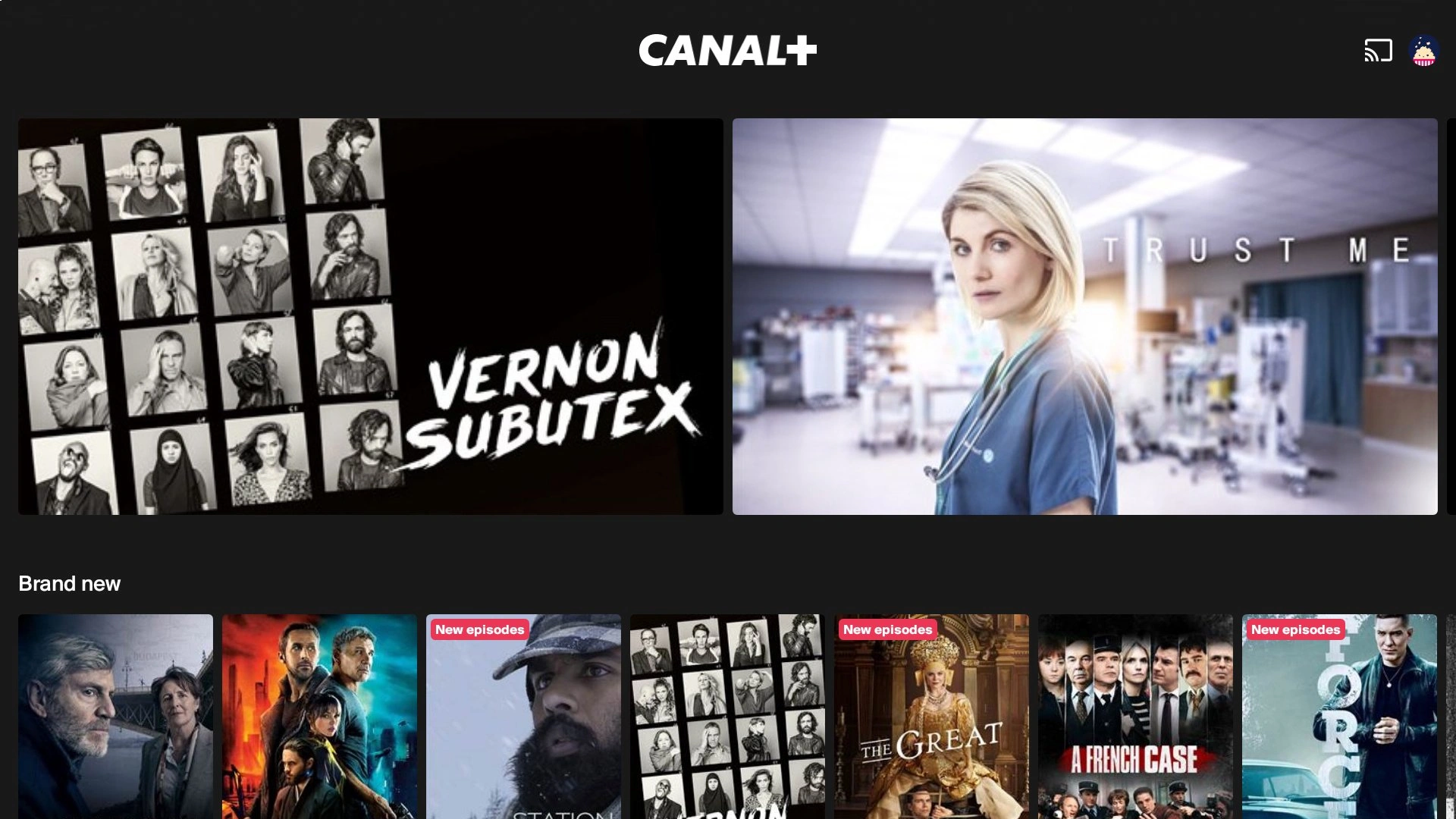
Canal+ already has its own streaming app operating across more than 30 countries and has been looking at rolling it out in MultiChoice’s markets.
Maintaining two separate streaming brands, two tech stacks, and two content strategies across the same territories made no financial sense, especially with Canal+ chasing €300 million in cost savings by 2030.
For Kenyan subscribers, the immediate question is: where do they go? Netflix has also scaled down its African original commissions considerably, so there’s no guarantee it will fill the gap Showmax leaves behind.
The Canal+ app may eventually arrive, and MultiChoice has said it will continue investing in content for its subscribers, but whether that means the same level of Kenyan original programming is entirely unclear.
The deeper loss is for the local industry. Showmax was a platform that paid Kenyan directors, writers, actors, and production crews.
Consumption data consistently showed that the bulk of viewing in Kenya came from local productions, and Showmax had built its strategy around commissioning that content directly.
Shows like Subterranea and Big Girl Small World weren’t just popular locally, as Big Girl Small World won Best Short Series, Best Actress, and Best Editing at the 2024 Dakar Séries Festival.
These are the kind of wins that attract international attention and open doors for Kenyan creatives.
READ: Showmax Unseats Netflix as Africa’s Number One Streaming Platform
Whether a Canal+ app or any other successor platform will commission Kenyan content at the same rate remains the big unknown.
Global streamers tend to greenlight projects from markets with the largest subscriber bases or the most established production infrastructure. Kenya is growing fast, but it’s still not Nigeria or South Africa in terms of raw market size.
Showmax’s failure was a financial one, not a creative one. The content was working. The audience was there. The problem was that building a streaming platform from scratch across 44 African markets in the same era as Netflix and Disney+ required capital that the business simply couldn’t generate fast enough to justify the spend.