







You have just arrived home at 8 PM. You have wrapped up a long day; you settle onto the couch, open YouTube on your smart TV, and hit play. The video loads for a second, then the spinning wheel of doom appears. You wait and wait.
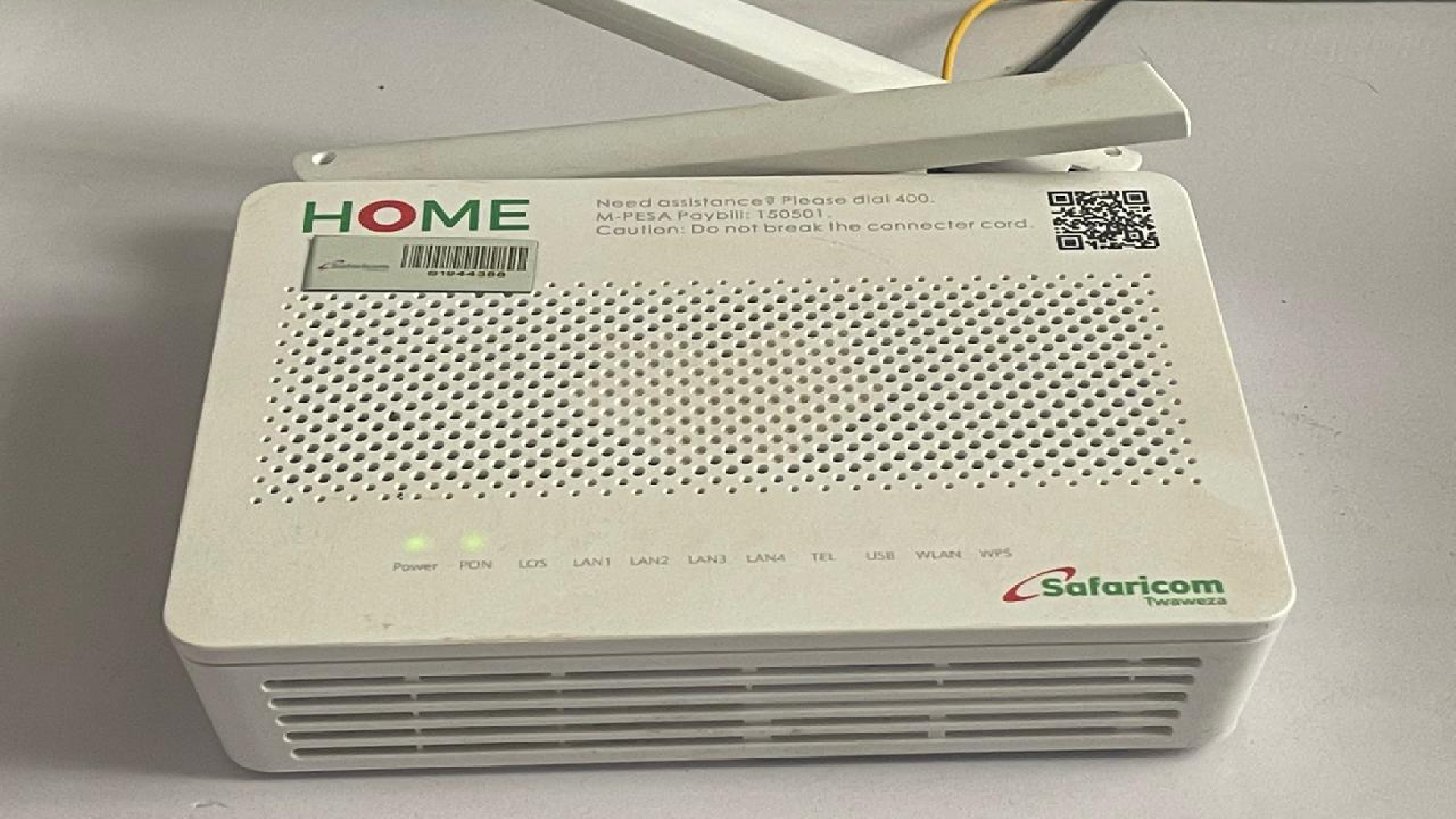
If this scenario sounds like your evening experience, you are not alone, and you are definitely not imagining things. Safaricom Home Fiber has a speed problem, and it has been getting harder to ignore.
Scroll through social media and you will find no shortage of people venting about sluggish connections. The complaints cluster around a few familiar themes.
READ: Faiba Tops Kenya’s Fixed Internet Rankings But VGG Connect Still Wins on Speed
Videos buffering even when paying for a 15Mbps or 30Mbps plan. Connections dropping in the evenings and customer support offering the same tired suggestion to reset the router through the app.
The worst window tends to be between 7 PM and 10:30 PM. That is when everyone gets home, opens Netflix or YouTube, and the network buckles under the load.
During those hours, people on the lower Bronze plans have reported videos defaulting to 480p or lower. A 2026 survey found that roughly one in four Safaricom users still run into regular coverage or signal problems.
That is a lot of frustrated people paying a combined few thousand shillings every month for the internet that performs like it is having a bad day every evening.
The Safaricom Home Fiber network uses the GPON (Gigabit Passive Optical Network) technology, which essentially means a single fiber line gets shared between 32 to 64 households.
When those households all want to stream in HD at the same time, the available bandwidth gets stretched thin. In dense estates like Roysambu, Kitengela, and Embakasi, this oversubscription problem is particularly acute. Safaricom has quietly acknowledged “capacity issues” in some of these areas.
There is also the Fair Usage Policy (FUP) to contend with. Safaricom raised the FUP cap to 15 TB for all plans in late 2025, which sounds generous until you hit the limit and discover your Bronze plan has been throttled to 1Mbps.
Silver, Gold, and Platinum users get throttled to 3Mbps. At 1Mbps, streaming anything above 360p becomes an act of faith.
On top of that, there are persistent suspicions among users that Safaricom deliberately deprioritizes video streaming traffic during peak congestion hours. The theory is that YouTube and Netflix get squeezed while regular browsing and messaging stay smooth.
Safaricom has never confirmed this, but the pattern of complaints is consistent enough that it keeps coming up.
For years, Safaricom’s main competition in fixed broadband was Zuku, which had its own reputation issues, and nobody got too worked up about the overall state of the market. Then Starlink arrived and completely shifted the terms of the debate.
Starlink offers speeds between 50 and 200Mbps with no installation delays, no oversubscription problems, and no GPON congestion because the signal comes from space.
Early 2026 brought an installment payment option that put the hardware within reach for more Kenyan households, at KES 6,750 to get started. That changed the math for a lot of people sitting on Safaricom’s Bronze plan at KSH 2,999, watching their internet crawl after 7 PM.
Airtel has also been pushing into the space with 5G-based home internet that requires no installation appointment, which removes another friction point Safaricom has long benefited from.
Suddenly Safaricom’s dominance looks a little less comfortable. To be fair, Safaricom is aware that something needs to change. The company has already bumped Bronze from 10Mbps to 15Mbps and Silver from 20Mbps to 30Mbps.
It is also planning to launch tokenized prepaid fiber with daily, weekly, and monthly options, essentially applying the same logic that made its mobile data bundles popular to the home internet market.
READ: Kenya’s Internet Capacity Nears Limit as Usage Climbs to 71%
Safaricom spent KES 91.3 billion on network investment in 2025 and grew its fiber footprint by 7.6%, reaching 18,300 kilometers. There is also a partnership with Meta on the Daraja undersea cable project that is supposed to bring more international bandwidth into the country.
These are definitely good moves on paper, but infrastructure investment takes time to show up as a smoother YouTube experience on a Tuesday evening in Roysambu.