






There was a time long before Twitter when breaking news meant waiting. It meant a presenter interrupting scheduled programming or a headline crawling across a screen in on a red background.
Information moved on the schedules of institutions, then Twitter came along and blew that up.
What the platform gave the world, beginning in 2006, was the ability for any person with a phone to speak at the same moment as a president, report from the middle of a crisis, or start a conversation that governments would spend years trying to finish.
It was the first time ordinary people could set the global agenda, in real time, with nothing more than a short sentence and a send button.
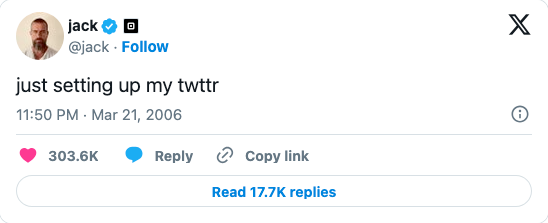
On March 21, 2006, a 29-year-old product developer named Jack Dorsey pressed send on the most consequential throwaway sentence in internet history: “just setting up my twttr.”
No vision statement or dramatic hyping, just a man testing software on an otherwise unremarkable Tuesday.
In the 20 years since, Twitter has produced some of the defining images of the internet age.
A passenger photographing a downed plane in the Hudson River before any news crew arrived. A protest hashtag that lit up every continent within hours. A world leader suspended from the platform mid-term. A rebrand that replaced one of the most recognized logos in digital history with a single letter.
The platform has been a tool for liberation and a vector for disinformation, often in the same news cycle. It has made careers, ended them, launched revolutions, and occasionally embarrassed everyone involved.
The Hashtag That Organized the World
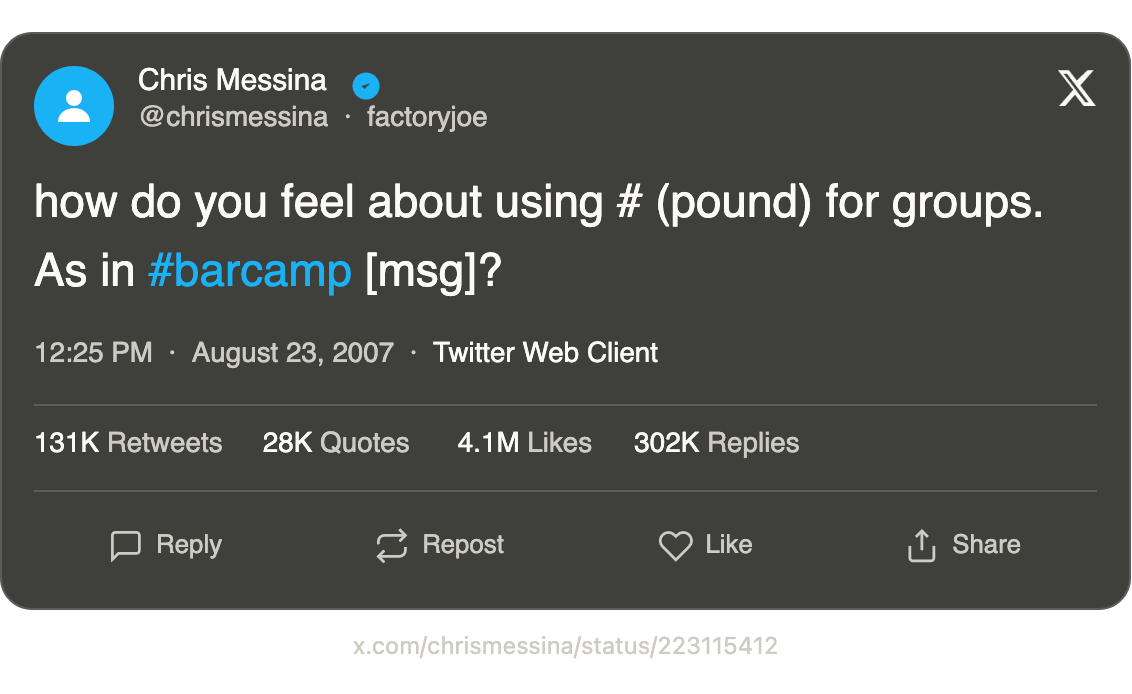
The platform’s most enduring invention came a year later, posted as a casual question by a designer named Chris Messina, who suggested using the pound symbol to group conversations together.
Twitter’s own team initially thought the idea was too nerdy for mainstream adoption. Today the hashtag is on every keyboard and every protest sign on the planet, a filing system for collective memory that nobody formally designed and nobody owns.
When Twitter Beat the News
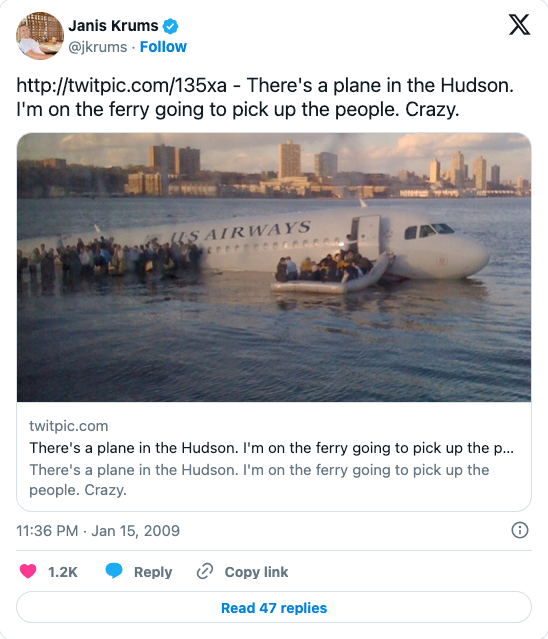
When US Airways Flight 1549 ditched in the Hudson River, a passenger on a nearby ferry posted a photograph before a single news van had arrived at the scene, a full 15 minutes ahead of every outlet.
That image, and Janis Krums’ short accompanying caption reporting the plane in the water, marked the end of an era in which journalists had a monopoly on the first draft of events.
“There’s a plane in the Hudson” ended the monopoly of news outlets breaking news.
The Revolution Will Be Tweeted
In 2009, Iranian protesters flooded Twitter with footage and updates from the streets after a disputed presidential election, forcing the US State Department to ask the platform to delay a scheduled maintenance outage so the flow of information would not be cut off.
2 years later, the Arab Spring swept through North Africa and the Middle East, and Twitter was the connective tissue running through all of it.
Protesters in Tunisia, Egypt, and Syria used the platform to organize around state censors, coordinate on the ground, and route footage to international newsrooms that would otherwise have had no eyes inside those movements.
The Tunisian and Egyptian governments fell. The phrase “Twitter Revolution” entered the political dictionary, and it has never left.
Whether Twitter caused those uprisings or simply carried them faster than anything before is a debate that has never been fully settled.
What is harder to argue with is that governments noticed and responded. Some banned the platform outright. Others joined it and learned to use it on their own terms.
By the mid-2010s, world leaders had stopped waiting for press briefings altogether, announcing policy, issuing threats, and conducting diplomacy directly through their timelines.
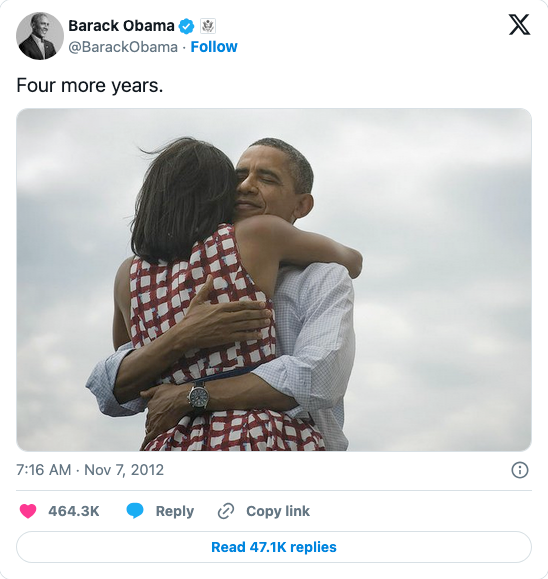
Barack Obama‘s 2012 re-election night tweet, a photograph of him embracing Michelle with the words “Four more years,” became the most liked post in platform history at the time, and it remains one of the rare examples of a politician using Twitter to say something that felt human.
Then Donald Trump arrived and rewrote every assumption about what a head of state could say and get away with on a social platform.
Where Obama used Twitter to project warmth and institutional weight, Trump used it as a personal bulletin board, firing cabinet members, announcing foreign policy shifts, picking fights with private citizens, and live-commenting on his own impeachment proceedings.
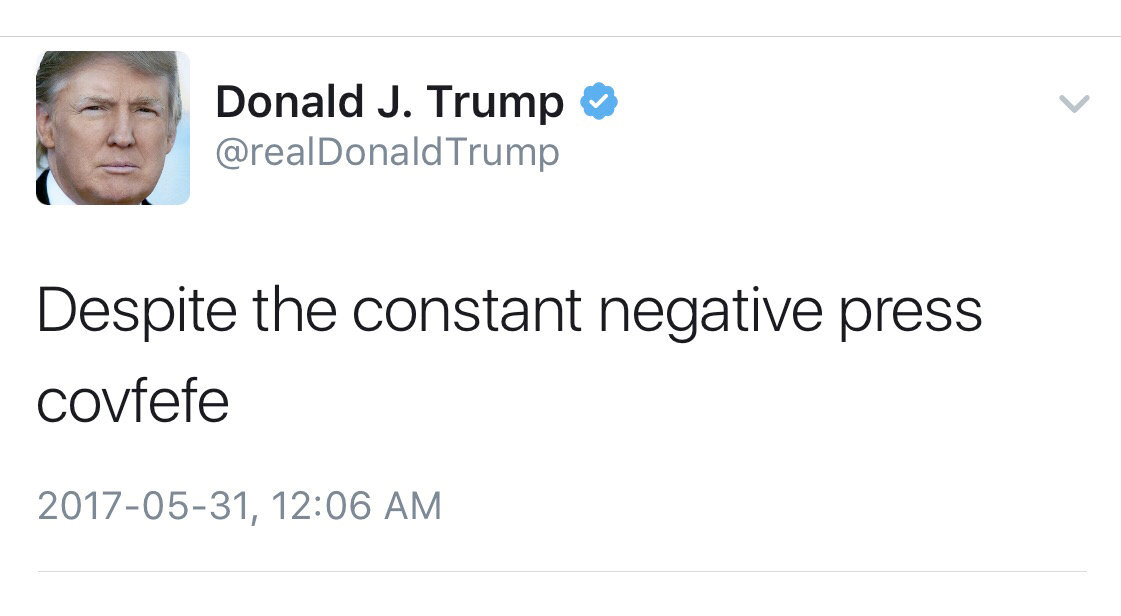
His account became the most consequential single feed in the platform’s history because it proved two things at once.
One, Twitter had become so central to the global information system that a sitting president could govern through it, and two, the platform had no adequate framework for what to do when that same president used it to cast doubt on an election result.
The suspension of his account 2 days after the Capitol riot was Twitter acknowledging, however reluctantly, that free speech on a private platform has always had a ceiling.
The Movements Twitter Made Real
Not all of Twitter’s most lasting contributions happened in headline moments. Some of the most consequential things the platform did were built quietly, in communities that had figured out what it was good for long before the rest of the world caught up.
Black Twitter was the clearest example. Words and phrases that now live in everyday English all traveled from Black Twitter into the broader internet and eventually into advertising copy, morning TV, and political speeches, almost always without the original authors getting any credit.
Then came the #MeToo movement. The hashtag was not new, as activist Tarana Burke had coined it in 2006 to support survivors of sexual violence, but it had stayed largely within activist circles.
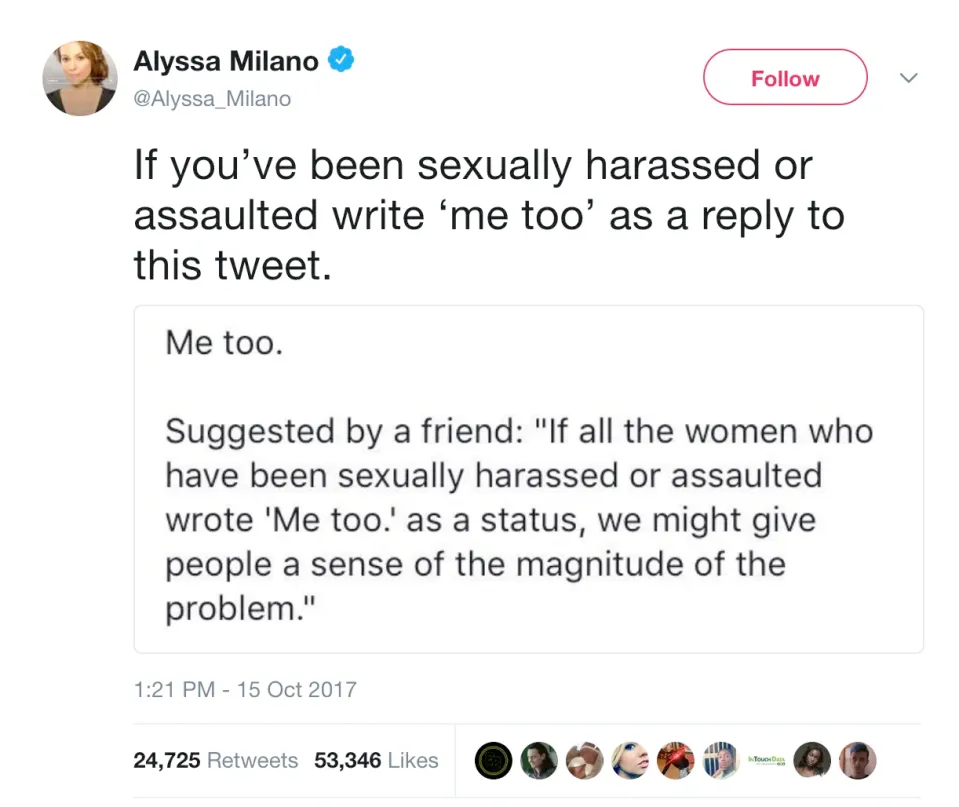
What Alyssa Milano’s October 2017 tweet did was open it up to everyone, asking survivors to simply say “me too” if it had happened to them.
The response was immediate and astounding, with over half a million people using the phrase within 24 hours and 1.7 million across 85 countries by the end of that week.
Harvey Weinstein had been exposed in the press days earlier, but it was Twitter that turned a Hollywood story into a global one. The platform made the scale of what women had been quietly living with impossible to ignore or dismiss as isolated.
Industries that had protected powerful men for decades faced real consequences, workplace laws changed, and the conversation it started is still running.
Kenya and the Rise of KOT
While the world was discovering Twitter’s power to organize and bear witness, Kenya was building one of its most distinctive communities on the platform.
Kenyans on Twitter (KOT) developed a reputation for wit, speed, and collective action that spread well beyond the country’s borders.
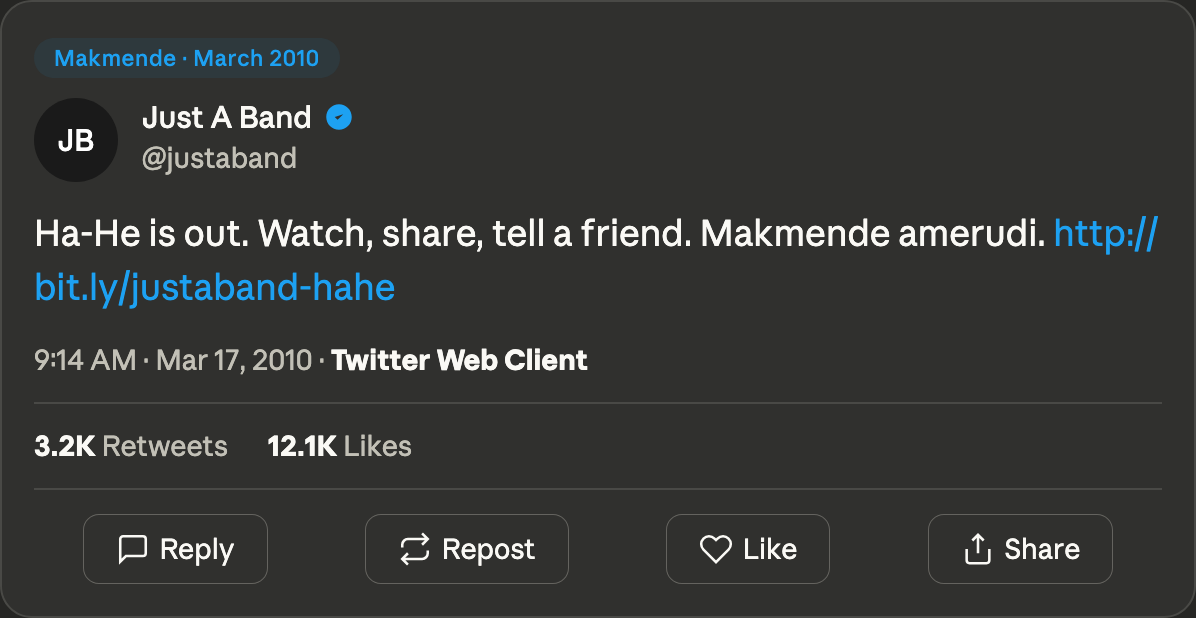
The first sign of what was coming arrived in March 2010, when music group Just a Band released the music video of Ha-He featuring a fictional hero, Makmende.
Within days, the video had been shared across Twitter and Facebook, fan pages had multiplied, and CNN and the Wall Street Journal were covering a meme that had started in a Nairobi studio and reached 100,000 YouTube views before most international media had noticed.
It was described at the time as Kenya’s first viral internet moment, and it announced KOT as a force worth watching.
KOT would go on to shape some of the country’s biggest moments over the following decade. When Al Shabaab militants besieged Westgate Mall in September 2013, Twitter became the primary source of real-time updates for thousands of Kenyans trying to locate relatives or make sense of what was happening.
Out of that darkness came #WeAreOne, a rallying point that drew the country together at one of its most traumatic moments.
The relationship between Twitter and Kenyan elections has been harder to characterize. The platform amplified real civic energy around each election cycle while simultaneously carrying coordinated disinformation and ethnic incitement.
By 2022, researchers were documenting organized campaigns designed to inflame tensions ahead of the August vote, a pattern that echoed 2017, when the platform carried both real citizen reporting of post-election violence and fabricated images of atrocities that never happened.
KOT has also never shied away from a fight beyond its own borders. The most memorable came in July 2015, when CNN described Kenya as a “hotbed of terror” ahead of Barack Obama’s visit to Nairobi.
The backlash was immediate as Kenyans flooded the platform under the hashtag #SomeoneTellCNN, dismantling the characterization with a combination of wit, statistics, and photographs of a country that looked nothing like the description.
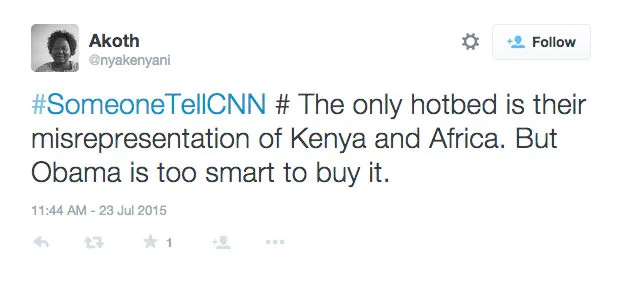
The hashtag trended globally, CNN was forced to respond, and the moment became a defining example of what KOT could do when a narrative needed correcting.
It was not the first time the community had gone to war with an international outlet or celebrity over the misrepresentation of Kenya, and it would not be the last.
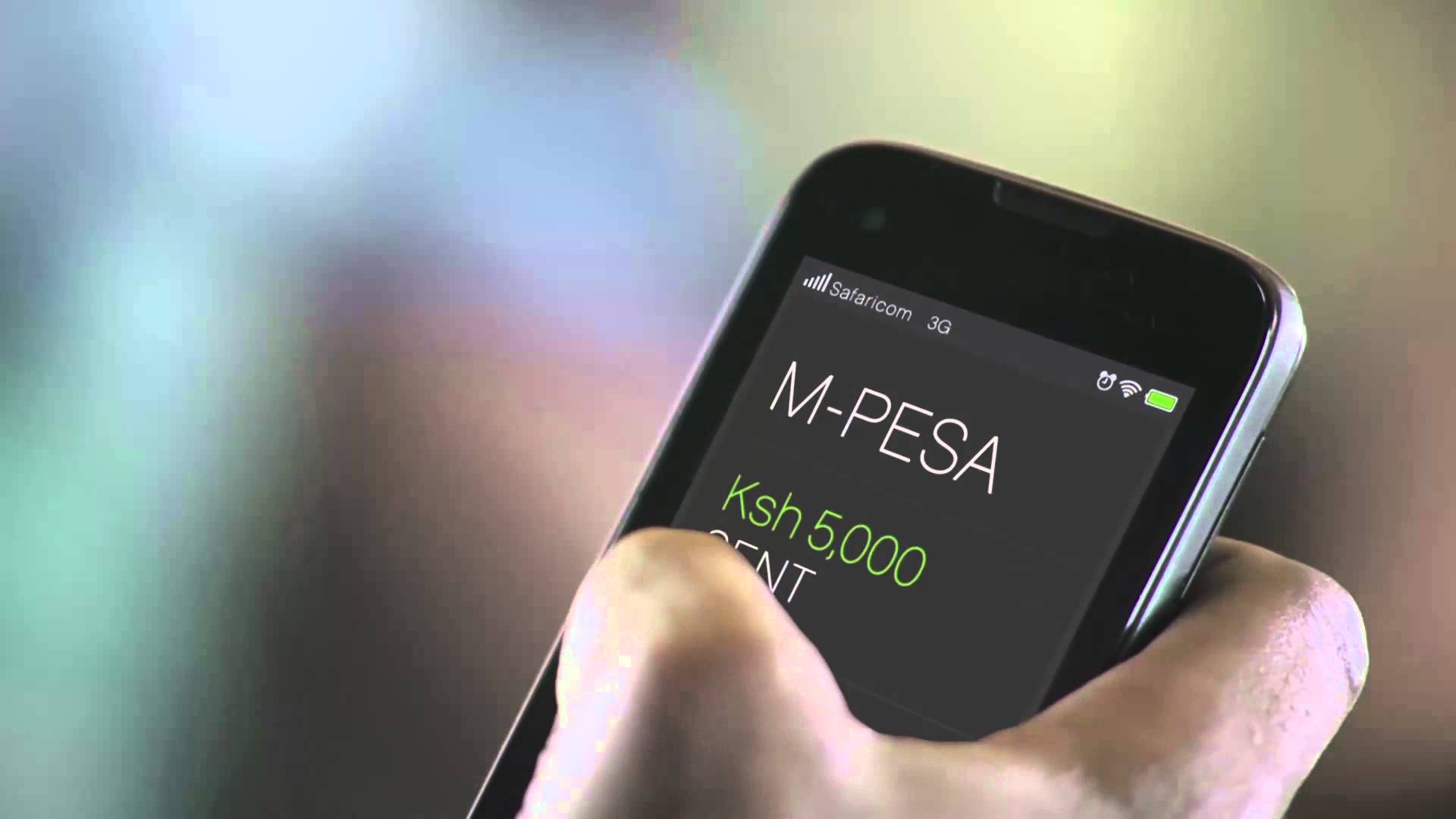
The Finance Bill protests of June 2024 brought everything together. A single X Space drew 60,000 live listeners at its peak and crossed a million total views over seven hours as protesters coordinated action, demanded the release of arrested colleagues, and shaped a narrative that mainstream media struggled to keep pace with.
President Ruto eventually hosted an X Space to engage the protesters directly, a response that would have been unthinkable through any traditional channel and remains one of the most remarkable uses of social media by a sitting African head of state.
The Chaos Era: Musk, X, and What Comes Next
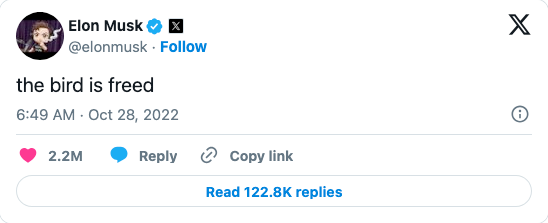
In October 2022, Elon Musk walked into Twitter’s San Francisco headquarters carrying a sink, a prop for a “let that sink in” joke, and completed a $44 billion acquisition that would become the most disruptive chapter in the platform’s history.
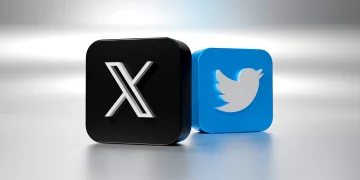
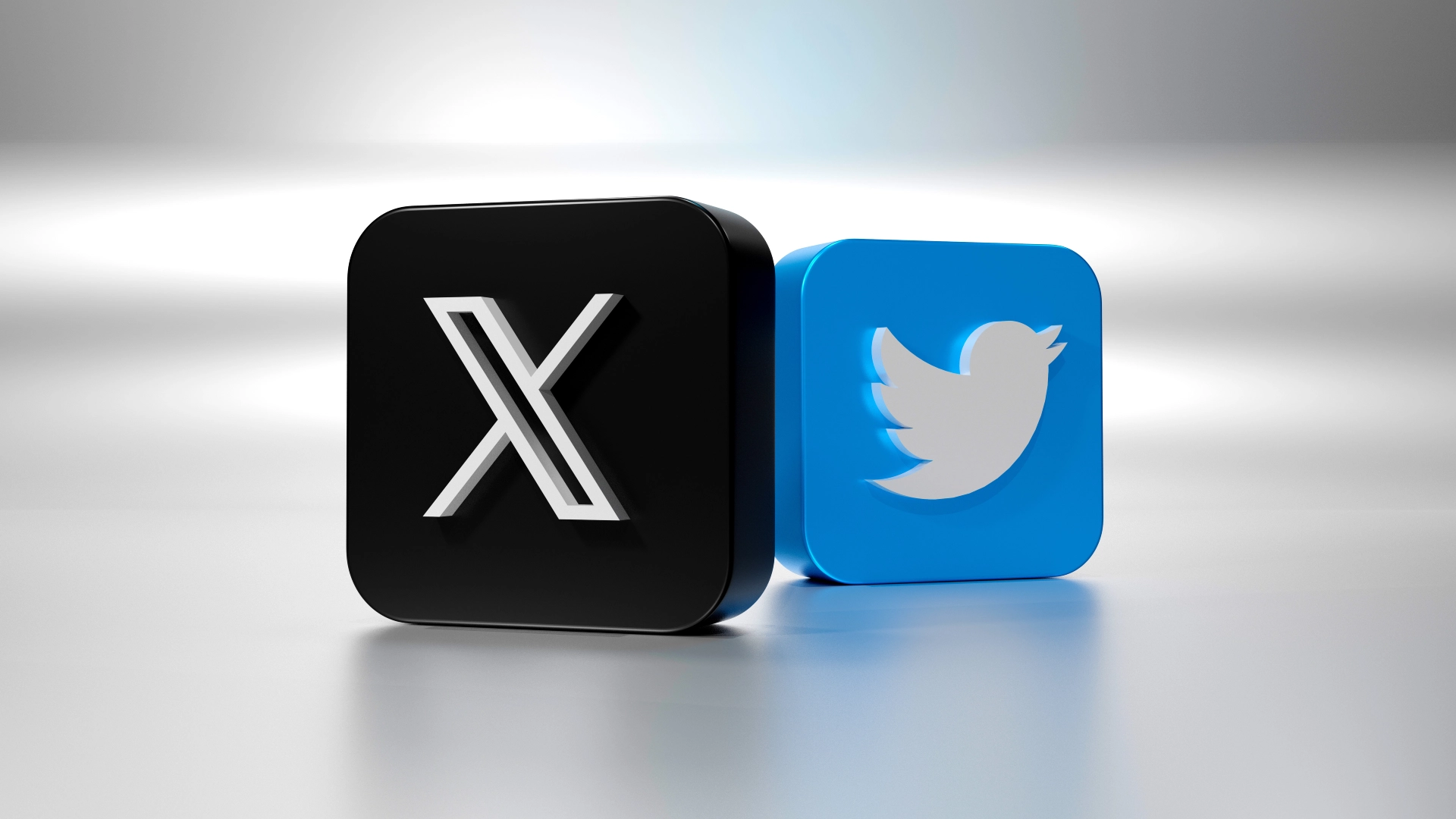
Within months, the blue bird logo was gone, the name was gone, and much of the moderation team was gone with it too. What arrived in their place was X, paid verification, Grok AI, and a governing philosophy that tilted hard toward the idea that more speech, however chaotic, was always better than less.
By 2026, the platform had crossed a billion dollars in annual subscription revenue, completing a shift away from advertising dependence that would have seemed far-fetched a decade earlier.
The algorithm now rewards paying subscribers in ways that visibly shift whose voice travels furthest, which cuts against the original promise of a genuinely level public square.
The version of Twitter that gave a protester the same reach as a government spokesperson is not quite the same product anymore.
At 20, what the platform has become is hard to name. It is still the place where news breaks first, where crises surface, and where power gets questioned in real time.
It is also a subscription product chasing an everything-app ambition, with payments, video, and AI layered onto an infrastructure that was built for something much simpler.
Musk wants X to become the financial and communications backbone of daily life. Whether the platform that started as a place to post 140-character updates is the right foundation for that ambition is a question still being answered.