







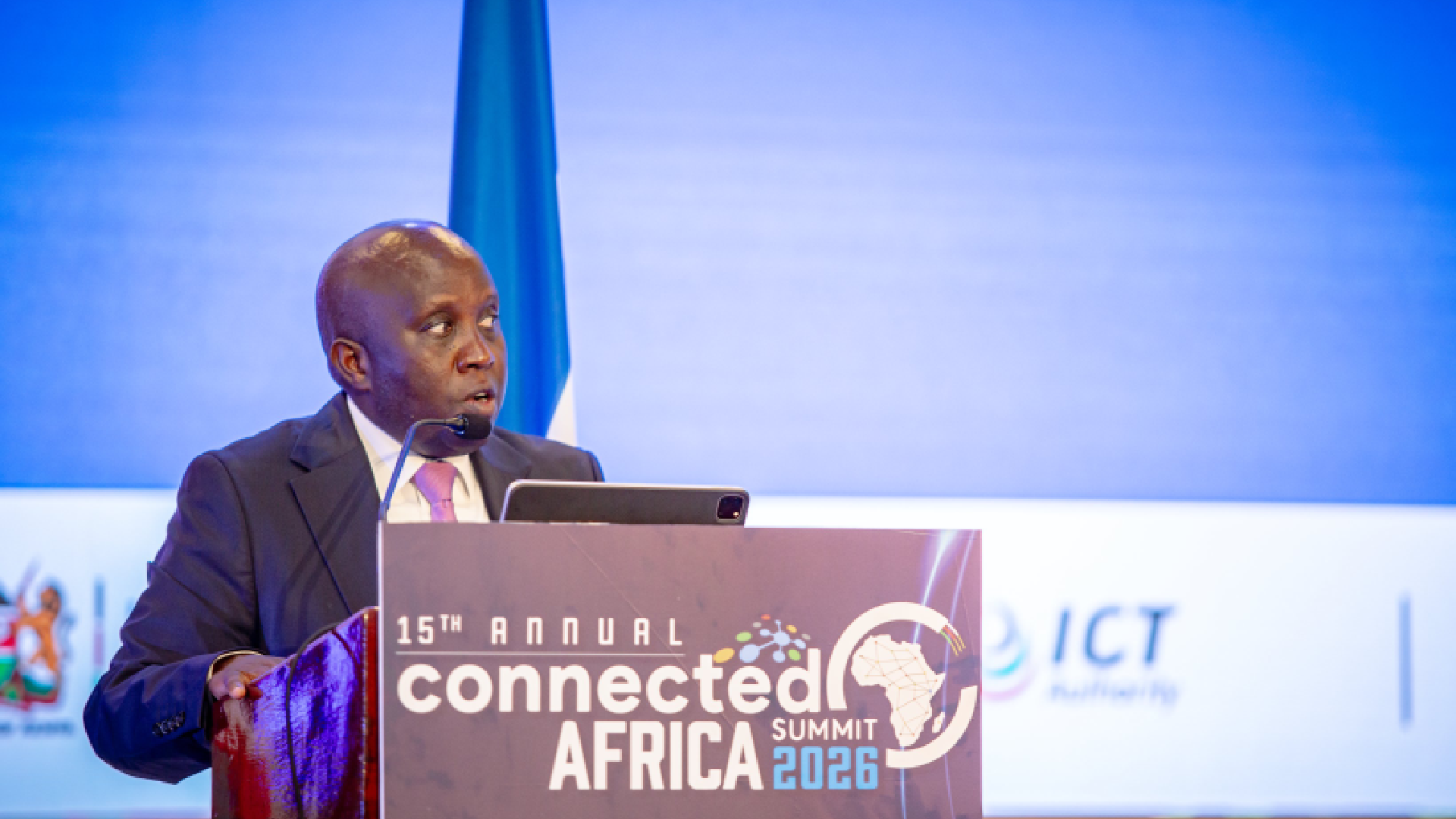
The question hanging over the Connected Africa Summit (CAS2026) as it opens in Nairobi today is not whether Africa can build a digital economy but whether 54 countries can build one together.
Africa’s digital progress over the past decade has been real but uneven, concentrated in pockets, and largely disconnected from itself.
Mobile money took root in East Africa while West Africa ran on different rails. Innovation hubs emerged in Lagos, Nairobi, and Kigali with limited visibility into each other’s work. Regulatory frameworks stayed national when the problems they were trying to solve had long gone continental.
The four-day summit will bring together ministers, regulators, technology companies, and development partners to work through that fragmentation, or at least begin to.
READ: Connected Africa Summit Expands Focus to AI, Data, and Digital Trade
The agenda moves across data governance, cybersecurity, digital infrastructure, trade frameworks, and emerging technologies. The common thread is coordination, getting African systems to talk to each other and getting African governments to negotiate as a bloc rather than as individual markets.
Three outcomes are on the table before the week closes: a sprint list of measures to ease cross-border digital trade under the AfCFTA framework, a data governance note aligned to the African Union’s own policy architecture, and a pipeline of projects in connectivity, digital public infrastructure, and cybersecurity, each with a named lead and a delivery timeline.
Whether those outputs carry any weight beyond the convention center will depend on what happens after the delegates leave.
The structural problems the summit is trying to address are not new. Data cannot move freely across African borders. Infrastructure investment drops off at national boundaries. Regulatory regimes that were built for domestic markets create friction the moment a company tries to operate in more than one country.
On the question of AI governance, African countries have largely been responding to frameworks built elsewhere rather than contributing to them.
READ: Report: Glaring Expertise Gap as Sub-Saharan Africa Contributes Just 0.8% of Global AI Publications
Kenya has spent years building credibility as a regional digital testbed, from mobile payments infrastructure to government digitization programs.
Hosting a gathering of this scale reinforces that positioning and places Kenyan institutions closer to the policy conversations that will shape continental frameworks over the coming years.
That influence, though, is contingent on the summit producing something durable. Continental forums have a well-documented tendency toward strong statements and slow follow-through.
The test here is whether the project pipeline attracts financing, whether the data governance note feeds into binding agreements, and whether the trade sprint list moves past aspiration into implementation.
The Connected Africa Summit 2026 runs through 30 April. The speeches will come and go, but what matters is the paperwork and implementation.